Things to Do in Bamako in August
August weather, activities, events & insider tips
Low Season · Budget Friendly
August Weather in Bamako
Long-run averages for August
87°F (30°C)
High Temp
71°F (21°C)
Low Temp
10.4 inches (264 mm)
Rainfall
84%
Humidity
12
Sunny-Day UV
⚠ Flash flooding hits low-lying Bamako neighborhoods after heavy downpours. Streets become fast-moving channels of muddy water within minutes. Never walk or drive through flooded intersections. Depth and current are impossible to judge. Open drainage ditches become invisible hazards beneath the surface.
⚠ August is peak malaria transmission season in the Bamako region. Daily storms leave standing water. Mosquitoes breed fast. Begin antimalarial prophylaxis before arrival. Maintain strict bite-prevention measures throughout your stay.
⚠ Unpaved roads outside Bamako deteriorate sharply in August. Laterite turns to slick red mud after storms. Washouts strand vehicles for hours. Confirm route conditions the same day before any day trip. Travel with a driver experienced in rainy-season road judgment.
Is August Right for You?
Weigh the advantages and considerations before booking
Advantages
- + Bamako hits its coolest point in August. Highs hover near 30°C (87°F), a relief from the brutal 39°C (102°F) that scorches the city come April. The Sahelian landscape, parched and dust-choked for eight months, erupts into green along every road out. The Niger River swells to its most dramatic volume. The riverbanks transform into something unrecognizable from the dry channels in travel photographs.
- + August brings the fewest outside visitors to Bamako. The Musee National du Mali, the Maison des Artisans, and the grillades joints along Route de Koulikoro run on local time, not tourist tempo. You will be the only foreigner in many rooms. Conversation happens naturally. That access to daily Bamako life is exactly why you come during the rains.
- + Peak produce season hits Bamako in August. Mangoes are winding down. Watermelon, papaya, and jujubes, those small tart desert dates, flood the Marche de Medine stalls. Fresh gingembre, the local ginger juice, waits ice-cold at every corner. It is sharp enough to water your eyes. Sweet enough for three glasses before noon.
- + Accommodation rates fall substantially in August. Compare them to the November-through-February high season. Negotiating weekly rates at guesthouses in Hamdallaye or Badalabougou is easy when rooms sit empty. The savings carry over. Internal flights and private vehicle hire for day trips drop too.
Considerations
- − August is Bamako's wettest month. 264 mm (10.4 inches) of rain falls in concentrated, intense downpours. Unpaved roads in Bamako-Coura and Magnambougou become knee-deep mudflows within thirty minutes. Drainage infrastructure across much of the city cannot handle peak volume. Flash flooding shuts down low-lying intersections and bridges with little warning.
- − Mosquitoes peak in August. Malaria transmission hits its highest point. Standing water after every storm breeds fresh waves of Anopheles. Prophylaxis, repellent, and treated bed nets help. You will still be bitten. This demands preparation before departure.
- − Power outages spike during peak rains. Storms knock out lines. The grid struggles under load. Generators start at larger establishments. Smaller guesthouses and neighborhood restaurants may go dark for hours. Humidity without a working fan or air conditioner affects sleep. Pack patience.
Best Activities in August
Top things to do during your visit
Musee National du Mali and Indoor Cultural Circuit
When afternoon rain pounds Bamako's corrugated rooftops loud enough to drown conversation, head to the Musee National du Mali on the road toward Koulouba Hill. The collection spans Dogon masks, Bamana chi wara antelope headdresses, Djenne terracotta figures centuries old, and rotating contemporary West African exhibitions. The building is cool laterite and concrete. August's low visitor count lets you stand alone before a six-foot Senufo rhythm pounder. You can hear the museum's silence. The botanical garden turns lush and impossibly green. Birdsong fills the gaps between storms. You will not hear this in any other month. Allow a full morning. Arrive when gates open. Plan to wait out at least one storm under covered walkways.
Booking Tip: No advance booking is typically needed in August. Visitor numbers are low. Licensed local guides at the museum entrance offer context. Objects become stories. See the booking section below for current guided cultural tour options in Bamako.
Niger River Excursions from Bamako
The Niger in August is a different river. Dry-season visitors see a thin, sluggish channel. Fed by months of highland rain from Guinea, it runs wide, fast, and red clay coloured. It pushes past the Pont des Martyrs with force. Pirogues work for every crossing. Hire one from the riverbanks near Badalabougou for a morning paddle upstream. You see Bamako from the water: laundry on rocks, fishermen casting circular nets that open like parachutes against grey sky, the green bluffs of Point G rising behind the city. Light after an early-morning storm clears is extraordinary. A washed-gold quality lasts about forty minutes before humidity closes in. Mornings before 9 AM are your window. The light matters. Afternoon storms make the river unpredictable.
Booking Tip: Arrange pirogue trips through your accommodation. You can also approach boatmen directly at established launch points along the river in Badalabougou. Life jackets are non-negotiable. You may need to insist. Book through current options in the booking section below for organized river excursions with safety equipment included.
Live Music Venues and Bamako's Sound
Bamako is West Africa's most important music city. It produced Ali Farka Toure, Salif Keita, Oumou Sangare, and Amadou and Mariam. The live circuit runs year-round, rain or not. August changes the venues. Those in Hippodrome and Hamdallaye play to local crowds, not cultural tourists. The energy shifts. You hear kora and balafon acoustic sets in open-air compound courtyards. Warm rain drips off mango leaves onto sand. Amplified bands fill concrete-walled clubs. Bass vibrates through humid air thick enough to taste. Music starts late, around 10 PM. A twenty-one-string kora cuts through post-storm Bamako night noise. Frogs sing from every puddle. No recording captures this.
Booking Tip: No formal booking required for most venues. Ask your guesthouse or local contacts which clubs and courtyards have live sets that week, as schedules shift fluidly. Check the booking section below for any organized Bamako music and culture experiences currently available.
Malian Cooking Workshops
August is when Bamako's home kitchens run at their most interesting. The rains bring fresh okra, sorrel leaves, and the small bitter eggplants called jaxatu to the market stalls in Medine and the Grand Marche, and the seasonal dishes shift accordingly. Learning to make tiga diga na, the slow-cooked peanut and meat stew that is the soul of Malian cooking, from someone who has been making it for decades in a courtyard kitchen over charcoal, while rain drums the tin roof overhead and the air smells of woodsmoke and groundnut paste, is the kind of experience that justifies the trip on its own. The sauce for riz au gras, built from tomato paste, smoked fish, and whatever vegetables the morning market provided, takes three hours to reduce properly, and watching that process teaches you more about Malian food culture than any restaurant meal. Mornings are best, before the afternoon heat and storms close in.
Booking Tip: Cooking experiences are typically arranged through guesthouses, cultural associations, or women's cooperatives in neighborhoods like Niarela and Hamdallaye. Book at least a week ahead as these are small-group, home-based sessions. See the booking section below for any currently listed culinary experiences in Bamako.
Selingue Lake and Waterfall Day Trips
The drive south from Bamako toward Selingue, roughly 140 km (87 miles), passes through countryside that in August looks nothing like the Sahel of Western imagination. The laterite road cuts through green millet fields, shea-butter trees heavy with fruit, and small villages where the mud-brick compounds glow ochre against intensely green foliage. Selingue's reservoir is full and the surrounding waterfalls that barely trickle in dry season run with genuine force in August. The air is cooler here than in Bamako, the birdlife is extraordinary, and the fishing villages along the reservoir offer grilled capitaine, the fat Nile perch that is Mali's signature fish, cooked over coals and served with lime and chili on the spot. The road conditions deteriorate significantly after heavy rain, so an early departure and a vehicle with clearance are essential. Plan for a long day or an overnight.
Booking Tip: This trip requires a private vehicle with a driver who knows the road conditions. Arrange through your accommodation at least several days ahead, and confirm road status the morning of departure. Current organized Selingue excursions may be available in the booking section below.
Artisan Workshops in the Medina Quarter
The old Medina quarter of Bamako, wedged between the Grand Marche and the river, is where the city's traditional artisans work: leather workers cutting and stitching bags and sandals from locally tanned hides, bogolan (mud cloth) dyers painting fermented-mud patterns onto hand-woven cotton strip cloth, and jewellers hammering Tuareg-style silver and bronze in workshops so small you stand in the doorway. August is good for this because the artisans are present and unhurried, the tourists who crowd the Maison des Artisans in December and January are absent, and the rain showers give you a natural excuse to sit and watch and talk. The smell of tanning leather and the metallic tang of heated bronze are sharp in the humid air, and the bogolan process, which involves soaking cloth in solutions made from tree bark and painting designs that only darken to black after days in the sun, takes on a different character when the artisan has to work around the rain.
Booking Tip: Walk-in visits are normal. But having a local contact or guide who knows the artisans personally opens workshops that are not visible from the street. The Maison des Artisans near the river is the accessible starting point. Check the booking section below for guided artisan tour options.
Where to Stay in Bamako in August
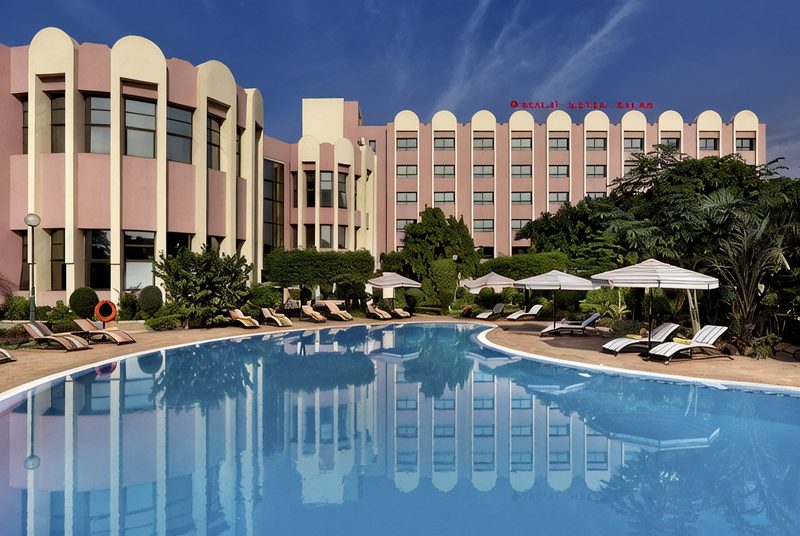
Hand-picked hotels across price tiers for August travellers.
Public Holidays in August
Dates that affect opening hours, transport and crowds
Mawloud (Roughly Date)
Observed nationwide as a public holiday.
Baptism of the Prophet (Roughly Date)
Observed nationwide as a public holiday.
Mawloud (Roughly Date)
Observed nationwide as a public holiday.
Baptism of the Prophet (Roughly Date)
Observed nationwide as a public holiday.
Packing Checklist
Bookmark this page — your progress is saved between visits
Need the full list with shopping links?
Climate-specific gear, brand recommendations, and what to leave at home.
View Bamako Packing List →Essential Tips
Insider knowledge and common pitfalls to avoid
Insider Knowledge
Bamako's best eating happens at informal grillades spots. Vendors set up charcoal grills along roadsides in the evening after rain stops. Smoke from mutton brochettes mixes with petrichor from wet laterite. Capitaine fish, split and grilled whole with lime and piment, tastes best when the Niger runs high and fishermen land large catches. Skip places with signage aimed at outsiders. Look for clusters of taxi drivers and working Bamakois around plastic tables instead.
The morning window between 6 AM and 9 AM is sacred in August. The air is cooler. Storms have not started. The light is soft gold. The city functions best now. Schedule all outdoor activities, market visits, and errands for these hours. By mid-afternoon, the sky turns bruise-colored. Rain shuts everything down for one to three hours.
Learn three phrases in Bambara. The entire city opens differently. 'I ni ce' means good morning. 'I ni tile' means good afternoon. 'A ni sogoma' is the more formal good morning. Bamakois are warm. They respond to effort with enthusiasm. Greeting in French marks you as tourist. Greeting in Bambara makes you a guest.
The small neighbourhood mosques in Niarela and Bamako-Coura outshine the Grand Mosque architecturally. The Grand Mosque carries Saudi-funded renovation. The older mud-and-timber mosques with Sudanese-style buttresses hide quietly in residential quarters. Ask permission to view exteriors. Do not enter during prayer. The green season makes earthen walls contrast extraordinarily with surrounding vegetation. This is photogenic territory.
Avoid These Mistakes
Do not underestimate malaria risk. August is not the month to skip prophylaxis or rely on repellent alone. Start antimalarials before arrival. Sleep under treated nets every night without exception. Carry repellent at all times. Anopheles mosquitoes in Bamako bite from dusk to dawn. Standing water after every rainstorm means their August population is enormous.
Do not cling to rigid schedules. August in Bamako ignores the clock. Storms arrive without warning. They halt all movement for hours. Roads flood and become impassable. Power fails. Plans shift. The travelers who enjoy August surrender to the rain's timetable. Carry a book. Treat unexpected two-hour waits at tea stalls as experience, not inconvenience.
Do not pack for dry-season Africa. First-time visitors picture dust, desert, relentless sun. August Bamako offers none of these. The air is heavy, wet, green. Everything is mud. Waterproof your luggage. Choose footwear that handles standing water. Protect your electronics. Humidity damages unprotected gear within days.
Ready to plan your trip to Bamako?
Now that you've got the research covered, here's where to go next.
Book Experiences in Bamako
Top-rated things to do in Bamako this August

Explore More Activities in Bamako
Didn't see anything interesting yet?
Browse Viator's full catalog of tours, day trips, food experiences, and private guides in Bamako.
See All Bamako Tours on Viator