Things to Do in Bamako in March
March weather, activities, events & insider tips
Low Season · Budget Friendly
March Weather in Bamako
Long-run averages for March
100°F (38°C)
High Temp
73°F (22°C)
Low Temp
0.1 inches (3 mm)
Rainfall
24%
Humidity
12
Sunny-Day UV
⚠ Sustained extreme heat with average highs of 38 degrees C (100 degrees F) and frequent spikes above 40 degrees C (104 degrees F) creates genuine heatstroke risk for travelers unaccustomed to Sahelian conditions. Limit outdoor exposure to early morning and evening hours. Hydrate aggressively. Treat any symptoms of dizziness, nausea, or confusion as a medical priority.
⚠ Harmattan dust haze may linger into early March, reducing visibility and coating surfaces with fine Saharan particulate. Travelers with asthma or respiratory sensitivities should carry their medication. Consider a lightweight dust mask or buff for outdoor walking on hazy days.
⚠ Malaria-carrying mosquitoes are active year-round in Bamako, including during dry season. March's lower mosquito density compared to wet months does not eliminate risk. Antimalarial prophylaxis, DEET-based repellent, and sleeping under a treated net are non-negotiable precautions.
Is March Right for You?
Weigh the advantages and considerations before booking
Advantages
- + March lands in Bamako's driest pocket. Barely 3 mm (0.1 inches) falls the entire month. The laterite roads stay firm and rust-colored instead of dissolving into red mud that bogs down the June-through-September wet season. The Niger River drops to its lowest stage, exposing golden sandbanks where Bozo fishermen cast nets at dawn. Outdoor plans hold day after day without a single weather cancellation. You cannot say that about Bamako from May onward.
- + Eid al-Fitr, marking the end of Ramadan, is expected in early-to-mid March 2027. Experiencing it in Bamako is the kind of travel moment you carry for years. Families pour into streets in freshly tailored boubous. The scent of grilled mutton and fried beignets rises from every compound courtyard. The generosity spills over to visitors in ways that feel unrehearsed. The days after Eid carry a celebratory looseness. This might be the best collective energy Bamako generates all year.
- + Bamako sees thin visitor numbers even in its busiest months. March heat thins them further still. The Musee National du Mali is yours to wander without jostling. Market vendors at the Grand Marche have time for actual conversation instead of quick transactions. Live music spots in Hippodrome and Badalabougou play to audiences that are overwhelmingly Bamakois. You are not performing the tourist role here. You are just present. That changes the quality of every exchange.
- + Travel costs in Bamako run well below what equivalent experiences charge in East or Southern Africa. The absence of any peak-season inflation in March means accommodation and transport stay at baseline rates. Your budget stretches further here than in nearly any other West African capital. That leaves room to say yes to a pirogue ride, a second evening of live music, or an extra night.
Considerations
- − The heat is not a footnote. It is the defining feature of March in Bamako. Average highs of 38 degrees C (100 degrees F) with spikes above 40 degrees C (104 degrees F) compress your useful outdoor hours to before 9 AM and after 5 PM. The dry 24% humidity means sweat evaporates instantly. That sounds like relief until you realize you are losing fluids faster than you feel. Midday sun on unshaded stretches between Pont des Martyrs and the Grand Marche is punishing. If you cannot tolerate sustained dry heat, this month will exhaust you.
- − Mali's security situation demands real advance planning. Most Western governments currently advise against travel to the country. Bamako itself is considerably calmer than the north and center. But the advisory exists for serious reasons. Register with your embassy before arrival. Stay informed through reliable local contacts. Avoid travel outside the city without experienced guidance. Maintain flexible plans. The political landscape has been in flux since 2021. The situation remains fluid enough that conditions can shift between your booking date and your travel date.
- − The first week or so of March 2027 likely falls during the final days of Ramadan. Many restaurants close during daylight hours. The city's rhythm shifts around iftar at sunset. For travelers unaware of this, the midday emptiness of Bamako's dining scene is disorienting. After Eid the city reopens fully. If you arrive in the first days of March, plan to eat at your accommodation or from market stalls that keep operating. Respect the fasting by avoiding conspicuous public eating and drinking during daylight.
Best Activities in March
Top things to do during your visit
Early-Morning Niger River Pirogue Excursions
March drops the Niger to its lowest stage through Bamako. Paradoxically, that makes it the best pirogue month. Exposed sandbanks between Pont des Martyrs and Pont du Roi Fahd turn into temporary villages where Bozo fishermen smoke their catch over green-wood fires. The acrid sweetness drifts across the brown water. A wooden pirogue sits low enough that you can trail your hand in the warm current while Koulouba Hill and its scattering of mango trees slides past on the south bank. Depart around 6:30 AM. The light turns the river surface from dull khaki to copper-gold. The temperature still sits near 25 degrees C (77 degrees F). By 9:30 AM the sun is already fierce. The pleasure drains out of open-water exposure. A two-hour morning circuit is the right length, covering roughly 8 km (5 miles) of river with stops at sandbar fish-smoking camps. The low water also reveals rock formations near the old Sotuba rapids that are submerged the rest of the year. This is Bamako at its most photogenic. The morning quiet on the water is the sharpest possible contrast to the diesel-and-dust roar of the city behind the embankments.
Booking Tip: Arrange through licensed pirogue operators at the Badalabougou riverbank landing the evening before, or see current guided options in the booking section below. A morning departure is non-negotiable in March heat. Operators who suggest midday trips are prioritizing their schedule over your comfort.
Musee National du Mali and Cultural Quarter Walking
The Musee National du Mali is the single best air-conditioned reason to survive a March afternoon in Bamako, and it happens to be an excellent collection. The Dogon mask galleries alone justify the visit: carved wooden kanaga masks taller than you are, their cruciform arms still carrying traces of pigment from ceremonies in the Bandiagara Escarpment villages you likely cannot safely reach right now. The terracotta collection from Djenne and the Niger Delta spans a thousand years and sits in cool, dim halls that feel like a physical mercy after the 38 degrees C (100 degrees F) street. Plan your visit between noon and 3 PM, when outdoor activity is inadvisable anyway, and use the surrounding grounds, shaded by mango and neem trees, as a transition space. The cultural quarter stretching from the museum toward the Bamako Grand Mosque rewards a slow early-evening walk once the temperature begins its drop toward the 22 degrees C (73 degrees F) nighttime low: the call to prayer echoing off concrete walls, the scrape of plastic chairs being set out at tea stalls, and the first charcoal smoke of the evening brochette vendors signaling that the city is waking up from its heat-enforced siesta.
Booking Tip: The museum requires no advance booking and is open most days. For a guided cultural walk that contextualizes the collection within Mande history and living Bamako traditions, look for licensed cultural guides through the booking section below. Two to three hours covers the museum and surrounding quarter comfortably.
Selingue Lake Day Excursion
Selingue sits about 140 km (87 miles) southeast of Bamako, a reservoir on the Sankarani River that in March offers something the capital cannot: water you can get into. The lake surface drops during dry season but remains swimmable, and the surrounding savanna is tawny and photogenic under relentless blue sky. The drive itself is part of the experience, passing through mango orchards and small Bambara villages where red earth compounds radiate the smell of drying millet and woodsmoke. At the lake, local pirogues ferry you to quieter stretches where birdlife, including jacanas walking on lily pads and pied kingfishers hovering above the shallows, is dense enough to hold a birder's attention for hours. The return to Bamako's diesel-thick air and concrete heat makes you appreciate both places more sharply. This is the only verified bookable sightseeing excursion currently running from Bamako, and March's bone-dry conditions make it one of the most comfortable months for the journey, since the laterite road stays solid rather than turning to a washboard of mud ruts.
Booking Tip: This is a full-day commitment: leave Bamako by 6 AM to maximize cool driving hours and arrive before the midday blaze. Book through operators offering the Selingue sightseeing circuit at least a week ahead, as vehicle availability fluctuates. See current options in the booking section below.
Grand Marche and Artisan Quarter Exploration
The Grand Marche, rebuilt after a fire and still called Marche Rose by half the city for its salmon-pink facade, is Bamako's commercial nerve center and the place where the scent profile of the city concentrates to its purest form: dried hibiscus flowers in burlap sacks, raw shea butter in yellow mounds, cured leather from Mopti, and the sharp mineral tang of locally mined gold dust at the jewelers' stalls. March heat means the covered interior sections are bearable only in early morning, so arrive by 7 AM when merchants are still arranging their displays and the aisles are navigable. The surrounding artisan quarter, stretching toward Marche de Medine, is where you find bogolan (mudcloth) being made rather than just sold: strips of hand-woven cotton soaking in fermented mud baths, the ammonia smell sharp enough to make your eyes water, the finished cloth drying on walls in geometric patterns of brown and black and rust that look like abstract maps. Bogolan, handmade Fulani silver jewelry, and kora instruments are the purchases worth carrying home. Everything else is easier to find elsewhere. The walk between the two markets, roughly 1.5 km (just under a mile), passes through streets dense enough with foot traffic and motor scooters that the noise alone is a sensory event.
Booking Tip: No booking required, but a Bambara-speaking local guide transforms the market from a place you walk through into a place you understand. Arrange one through your accommodation or through licensed guide services in the booking section below. Keep valuables secure and avoid pulling out phones in the densest stretches.
Evening Live Music Circuit
Bamako is arguably West Africa's greatest music city, the hometown of Ali Farka Toure, Salif Keita, and Amadou and Mariam, and the evening live music scene is the single best reason to tolerate the March heat during the day. Once the sun drops and temperatures ease toward 27 degrees C (81 degrees F), the Hippodrome and Badalabougou neighborhoods come alive with amplified kora, balafon, and electric guitar pouring out of open-air venues and compound courtyards. The sound is unmistakable: that clean, ringing guitar tone over a driving djembe rhythm that Malian musicians invented and the rest of the world has been borrowing since the 1990s. During and immediately after Eid, the music scene intensifies as families celebrate and musicians play longer sets to festive crowds. You will hear music you have never heard before, performed at a level of technical mastery that rivals any jazz club in New York or London, and you will hear it sitting on a plastic chair under a neem tree with a bottle of Castel beer sweating in your hand and the warm night air carrying the bass notes across the neighborhood. The post-Eid weeks in mid-to-late March tend to be lively.
Booking Tip: No advance booking for most venues. Simply show up after 9 PM and follow the sound. Ask your accommodation host which neighborhoods have the best lineups on a given night, as schedules shift. For curated music-focused cultural evenings, check the booking section below.
Bamako Street Food and Ataya Tea Ceremony Experiences
The food in Bamako announces itself before you see it. The carbon-sweet smoke of brochette stands firing up at dusk. The nutty depth of tiguadege na (peanut sauce) simmering in blackened pots. The sour tang of dege (millet couscous with fermented milk) being ladled into calabash bowls. March's dry heat concentrates flavors at the grill. The evening eating scene along the south bank neighborhoods runs from sundown until well past midnight. Capitaine, the Niger River perch, appears grilled whole over charcoal with a squeeze of lime and a pile of attieke (fermented cassava couscous) that is starchy, slightly sour, and addictive. The real social ritual, though, is ataya. The three-round Malian tea ceremony where green Chinese gunpowder tea is brewed, poured from height to build foam, and served in shot glasses. The first round is bitter and strong. The second is gentler. The third is sweet. Leaving before the third round is considered rude. The whole ceremony lasts forty-five minutes to an hour, which turns out to be exactly the right pace for a Bamako evening. During Ramadan's final days in early March, the post-iftar street food scene explodes after sunset with a feverish energy and variety that the rest of the year does not quite match.
Booking Tip: Street food requires no booking. For a guided food walk with cultural context and a proper ataya session, look for local cultural operators in the booking section below. Stick to stalls with high turnover and freshly grilled items. Avoid anything that has been sitting at ambient temperature.
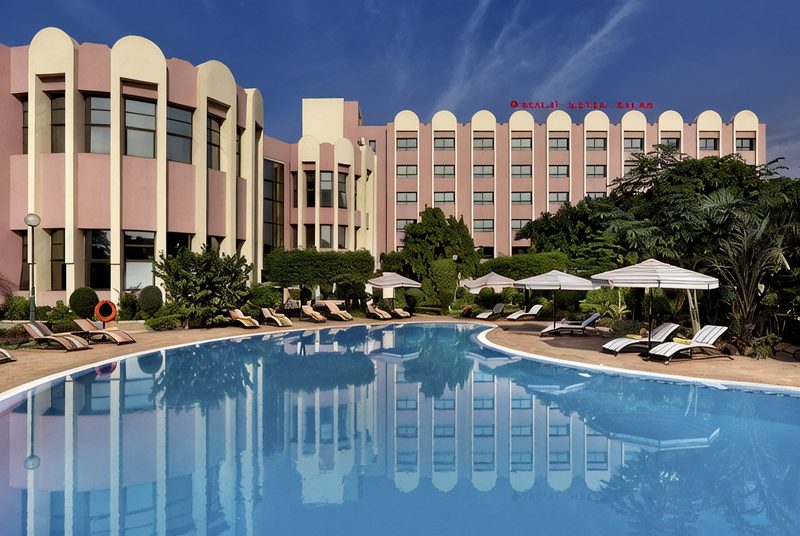
Where to Stay in Bamako in March
Hand-picked hotels across price tiers for March travellers.
Public Holidays in March
Dates that affect opening hours, transport and crowds
Leylatoul Qadr (Roughly Date)
Observed nationwide as a public holiday.
Korité (Roughly Date)
Observed nationwide as a public holiday.
Martyrs' Day
Observed nationwide as a public holiday.
Easter Monday
Observed nationwide as a public holiday.
Martyrs' Day
Observed nationwide as a public holiday.
Packing Checklist
Bookmark this page — your progress is saved between visits
Need the full list with shopping links?
Climate-specific gear, brand recommendations, and what to leave at home.
View Bamako Packing List →Essential Tips
Insider knowledge and common pitfalls to avoid
Insider Knowledge
The ataya tea ceremony is not a beverage. It is a social contract. When a Bamakois invites you to share tea, they are offering forty-five minutes of their time and expect the same from you. The three rounds, bitter to sweet, have a rhythm that mirrors the structure of a conversation. Introductions, substance, warmth. Leaving before the third glass is rude, even if the heat makes you want to move on. Sit, drink, and let the conversation find its own pace. More real information about Bamako comes out of one ataya session than a week of sightseeing.
Learn three Bambara phrases and your entire experience in Bamako changes. 'I ni ce' (hello). 'I ni baara' (thank you for your work, said to anyone doing their job). 'Aw ni tile' (good afternoon, acknowledging the sun together). French works in banks and government buildings. Bambara is the language of the markets, the music, and the street. Even clumsy attempts earn a warmth that French never quite unlocks.
The north-south divide across the Niger is real. Understand it. The north bank, centered on the Grand Marche and commercial districts, runs faster, louder, more diesel-fumed. Cross the Pont du Roi Fahd to the south bank neighborhoods of Badalabougou and ACI 2000. The texture shifts. Wider streets, more tree cover, restaurants with compound gardens, and the live music venues that define Bamako's evenings. Plan days on the north bank. Plan nights on the south. You will feel like you visited two different cities.
March's early-month Ramadan overlap is not a drawback. Adjust to it. The pre-dawn suhoor meal, around 4:30 AM, is quiet and intimate at market stalls lit by bare bulbs. The iftar breaking of fast at sunset explodes with food, generosity, and street life. It outperforms any ordinary dinner service. Eat when the city eats. The rhythm of fasting and feasting gives March's first week structure and intensity. Later in the month, when normal routines resume, you might miss it.
Avoid These Mistakes
Do not schedule anything outdoors between 11 AM and 4 PM. This is not a soft suggestion for March in Bamako. It is a health boundary. The midday heat at 38 degrees C (100 degrees F) or above, amplified by reflected glare off concrete and bare earth, has sent unprepared visitors to clinics with heat exhaustion. Use midday for the air-conditioned museum, a long lunch indoors, or rest at your accommodation. The city goes quiet during these hours. Trust that.
Do not assume security warnings for northern and central Mali apply equally to Bamako. The capital is significantly calmer, with functioning infrastructure, active diplomatic presence, and daily life that feels ordinary. That said, ignoring warnings entirely is foolish. Register with your embassy. Avoid political gatherings. Stay within well-known neighborhoods. Maintain situational awareness. The right posture is informed caution. Not fear. Not complacency.
Do not drink water that is not visibly sealed or filtered. Do not underestimate fluid loss. At 24% humidity, the dry heat evaporates sweat so efficiently that you feel drier than you realize you are depleted. By the time you feel thirsty in March Bamako, you are already behind. Carry water constantly. Add electrolytes at least twice a day. Treat any dizziness or headache as urgent. Get indoors. Rehydrate.
Ready to plan your trip to Bamako?
Now that you've got the research covered, here's where to go next.
Book Experiences in Bamako
Top-rated things to do in Bamako this March

Explore More Activities in Bamako
Didn't see anything interesting yet?
Browse Viator's full catalog of tours, day trips, food experiences, and private guides in Bamako.
See All Bamako Tours on Viator