Things to Do in Bamako in November
November weather, activities, events & insider tips
Low Season · Budget Friendly
November Weather in Bamako
Long-run averages for November
95°F (35°C)
High Temp
64°F (17°C)
Low Temp
0.1 inches (3 mm)
Rainfall
36%
Humidity
9
Sunny-Day UV
⚠ The harmattan can arrive in late November. This dry, dust-laden wind blows south from the Sahara. Visibility drops. Surfaces coat in fine ochre dust. Full harmattan peaks in January and February. Sensitive travelers notice effects earlier. Throat irritation appears. Dry eyes appear. The sky turns hazy. Pack a face covering. Pack eye drops. These are practical countermeasures.
⚠ Malaria stays present year-round in Bamako. Anopheles mosquitoes carry it. They are most active at dawn and dusk. The Niger River draws them. Consult a travel health clinic. Do this at least four weeks before departure. Discuss prophylaxis. Use DEET-based repellent. Sleep under a treated mosquito net. Do this even with air conditioning. Power cuts can strike mid-night.
Is November Right for You?
Weigh the advantages and considerations before booking
Advantages
- + The rains ended weeks ago but the landscape is still holding its green. The Mandé hills south of Bamako look almost lush in November, the baobabs are leafed out, and the Niger River is running near its annual peak from upstream runoff. This means pirogue excursions, riverside dining, and golden-hour views over water rather than exposed sandbanks. This narrow window of green-and-dry is the most photogenic version of the Sahel you will see all year.
- + Humidity drops to around 36 percent. This transforms the feel of Bamako's heat from the suffocating wet-season blanket into something drier and far more tolerable. Mornings before 9 AM are borderline pleasant at 17°C (64°F). Evenings cool enough to sit outside without constantly reaching for water. Compared to the punishing 39°C (102°F) days of March and April at humidity levels that rarely dip below 25 percent, November feels almost mild by Bamako standards.
- + Bamako's cultural season comes alive after the rains. Outdoor concert stages that sat dark and waterlogged through July and August are operating again. You will hear the kora and balafon drifting out of open-air venues in Badalabougou and Hippodrome on weekend evenings. This is also when the griot families and performing troupes resume their schedules across the city. The chances of stumbling into an impromptu balani show in the outer communes climb noticeably.
- + Tourist density in November is about as low as Bamako gets. The small peak season runs December through February. Organized tour groups who do visit Mali tend to arrive closer to Christmas. In November you will likely have the Musée National du Mali nearly to yourself on a Tuesday morning. Negotiating at Marché de Médine or the Grand Marché happens without the mild inflation that creeps in once the dry-season visitors arrive.
Considerations
- − Security remains the defining constraint for travel anywhere in Mali. Bamako itself is considerably calmer than the north and center of the country. But the situation is fluid and has been since 2012. Several Western governments currently advise against all but essential travel to Mali, and some advise against all travel. This does not mean Bamako is impassable. Daily life in the capital carries on with notable normality. Travel insurance is difficult to secure, embassy support may be limited, and you need to monitor advisories right up to departure. Travel outside the capital, north of Mopti, is strongly discouraged without local contacts and current intelligence.
- − The afternoon heat is real and unrelenting. Between noon and 4 PM, Bamako's 35°C (95°F) highs hit hardest when the sun is directly overhead and shade is scarce on the wide laterite roads. The UV index sits at 9 on clear days, which is most days in November. Without deliberate midday rest, the way locals handle it, retreating indoors until the worst passes, you will burn out fast. and figuratively.
- − Tourist infrastructure in Bamako remains limited compared to other West African capitals like Dakar or Accra. Organized tour options are thin. English-speaking guides require advance arrangement. The accommodation range, while adequate, does not offer the breadth travelers might expect. This is a city that rewards patience, flexibility, and a willingness to figure things out through conversation rather than apps. This is part of the appeal. It is also a genuine challenge if you are used to smoother logistics.
Best Activities in November
Top things to do during your visit
Niger River Pirogue Excursions from Bamako
November catches the Niger at or near its annual high-water mark, swollen from months of upstream rain in Guinea. This is the window when the river transforms from a sluggish channel between exposed banks into something worth being on. A pirogue, the long, narrow wooden boats that fishermen have used here for centuries, pushed off from the banks near Pont des Martyrs puts you on flat brown water with Bamako's skyline shrinking behind and fisherfolk hauling in capitaine with hand-thrown nets ahead. The air at water level runs a few degrees cooler than the city. The morning light on the river between 7 and 9 AM has a soft, golden quality that the midday glare kills. Watch for cattle egrets working the shallows and, if you are lucky, the flash of a malachite kingfisher. The sound out here is wind, water slapping wood, and the distant call to prayer from a riverside mosque. This is a genuine reset from Bamako's diesel-and-dust daytime roar. November's dry, clear conditions mean no cancellations from rain squalls, and the humidity is low enough that two hours on the water feels comfortable rather than steamy. Book through established operators with life vests and shade covers. See current options in the booking section below.
Booking Tip: Arrange pirogue trips at least three to five days ahead through a licensed operator or your accommodation's concierge. Morning departures before 8 AM offer the best light and coolest air. Confirm that the boat carries basic safety equipment including life vests. A two- to three-hour excursion is ideal. Longer trips in the midday sun become punishing. Current tour options are listed in the booking widget below.
Musée National du Mali and Koulouba Hill Cultural Circuit
The Musée National du Mali sits on a low rise in Bamako's south. It is the single best introduction to the country. Arguably the finest ethnographic museum in West Africa. The collection of Bamana and Dogon masks alone justifies the visit. Carved wood blackened with sacrificial patina. Some pieces centuries old. Displayed in low light that catches the chisel marks. The insect damage that no reproduction carries. The textile gallery holds mud-cloth (bògòlanfini) in its original earth-pigment palette. The fermented-mud smell faint but unmistakable if you lean close. November mornings are cool enough to walk the sculpture garden without wilting. The grounds are still green from recent rains. Bougainvillea in full color against laterite paths. From the museum, a short drive up to Koulouba hill gives you the presidential quarter. More, a panoramic view across Bamako's sprawl to the Niger glinting below. At sunset, when the haze turns amber, this is the best vantage point in the city. The road to Point G nearby passes through quiet residential streets. The smell of charcoal and grilling meat drifts from compound walls in the early evening.
Booking Tip: No advance booking needed for the museum itself. Hiring a knowledgeable local guide transforms the experience. Many objects lack English-language labels. Arrange a French- or Bambara-speaking guide through your accommodation or a local cultural association at least two days ahead. Plan for a morning visit to avoid afternoon heat. Combine the museum with Koulouba hill in a single half-day circuit. Check current guided tour options in the booking section below.
Siby Cliffs and Arch of Kamandjan Day Trip
Siby sits roughly 50 km (31 miles) southwest of Bamako at the edge of the Mandé Mountains. November is its absolute best. The sandstone cliffs still streaked with moisture stains from the wet season. The bush green and thick at the base. The air dry enough to make the 2 km (1.2 mile) hike up to the Arch of Kamandjan more exhilarating than exhausting. The arch itself is a massive natural rock formation that frames the valley below. Standing under it in the morning you can hear nothing but wind through dry grass. The distant percussion of a village somewhere below the escarpment. The laterite path up is uneven and steep in places. Loose gravel demands proper footwear. Leave the sandals in Bamako. November waterfalls in the Siby area may still carry a trickle from the rains. By month's end most will be dry. The drive from Bamako follows the Route Nationale through flat savanna that opens into dramatic cliff faces as you approach Siby. The village itself has a quiet gravity. Stone compound walls. Mango trees heavy with the last fruit of the season. The sweet-smoke scent of shea butter being processed in open-air workshops.
Booking Tip: Book a day trip with a driver and local guide at least four to five days ahead. The road from Bamako is paved most of the way. The final stretch is unpaved and can be rough. Depart by 6:30 AM to reach the cliffs before the heat builds. Bring at least 3 liters of water per person. Sun protection is essential. Closed-toe shoes with good grip are mandatory. Current excursion options are available in the booking section below.
Bamako Live Music Evenings
Bamako is one of the great music cities on the planet. The birthplace or long-time home of more Grammy-nominated artists per capita than anywhere in Africa. November marks the return of outdoor live performance after the rainy season hiatus. The sound of the city at night in Badalabougou and Hippodrome shifts in November. Kora strings spill out of open-air maquis, the informal bars that double as performance venues. The deep resonance of a djembe circle warming up in a courtyard. The unmistakable crackle of a balani sound system being tested before a neighborhood dance. These are not tourist shows. The audience is Malian. The music runs from traditional Mandé griot performance to Wassoulou vocal styles to contemporary Bamako hip-hop. The atmosphere is a crush of plastic chairs. Sweet mint tea. Grilled brochettes sending charcoal smoke into the warm night air. Conversations shouted over amplifiers that have no concept of volume limits. The best evenings start late. Rarely before 10 PM. They run past 2 AM. November's dry, warm evenings mean outdoor stages stay open without the rain interruptions that plague the summer months.
Booking Tip: No formal booking needed for most live music. Ask your hotel staff or any taxi driver which venues have performances that evening. Bamako's music scene runs on word of mouth, not websites. Arrive by 9:30 PM to secure a seat. Carry cash in small denominations. The music calendar picks up through November as more artists return from European summer touring. For organized cultural experiences, check the booking section below.
Sélingué Lake Excursion
Sélingué sits 140 km (87 miles) south of Bamako, built around the reservoir created by the Sélingué Dam on the Sankarani River. In November the lake reaches its fullest. A broad expanse of open water ringed by green savanna stretches before you. It feels like another country entirely from the dusty capital. The drive south passes through farming villages where cotton dries on rooftops and women pound millet in wooden mortars. You hear the rhythmic thud from the road with windows down. At the lake itself, the air carries the mineral-clean smell of fresh water mixed with wood smoke from fishing camps along the shore. Pirogues operate for fishing excursions and lake crossings. The tilapia and capitaine pulled from these waters end up grilled whole over charcoal at lakeside stalls. The skin crisps and smokes. The flesh stays white and clean-tasting. Eat it with your hands alongside a mound of tô and a peppery onion sauce. November brings clear skies and manageable humidity. The journey feels comfortable rather than grueling. Birdlife around the lake margins, herons, jacanas, fish eagles, stays most active as water levels stabilize.
Booking Tip: This demands a full-day commitment. You need a reliable vehicle and driver. Book through an established tour operator at least a week ahead. The trip involves significant driving on roads that vary in quality. Depart Bamako before 7 AM. Maximize your daylight at the lake. Bring sun protection, water, and insect repellent for the lakeside hours. The verified Sélingué sightseeing excursion appears in the booking section below.
Bamako Market Walking Tours
Bamako's markets are not sanitized craft bazaars arranged for cameras. They function as the commercial arteries of a West African capital. Walking through them in November brings you close to the sensory core of Mali. The dry air carries the scent of raw shea butter, dried hibiscus flowers, and the sharp tang of smoked fish stacked in head-high pyramids. The Grand Marché in the city center anchors the experience. It forms a dense grid of stalls and alleyways where gold traders sit behind glass cases alongside fabric merchants. They drape wax-print cotton in bolts of indigo and saffron across wooden tables. Marché de Médine, older and less visited by outsiders, sprawls along the riverbank. It trades in everything from medicinal roots and bark to hand-forged iron tools that look unchanged from their 18th-century ancestors. November's dry footing makes the unpaved sections navigable. During the rains, some alleys turn to ankle-deep mud. The artisan quarter around the Centre Artisanal specializes in leatherwork, bògòlanfini (mud cloth), and carved wood. The craftspeople here are working, not performing. You will see dyers with indigo-stained hands up to the elbow. You will see leather workers cutting hides in the shade of corrugated-iron lean-tos.
Booking Tip: A local guide who knows the market vendors transforms this from overwhelming to illuminating. Arrange one through your accommodation at least two days ahead. Go early. Arrive by 8 AM when the air stays cool and the stalls are freshly stocked. Carry only what you are willing to lose. Keep valuables in a front pocket or body pouch. Wear closed-toe shoes. Bargaining is expected. It is part of the interaction. Start at roughly half the first price offered and negotiate from there. Check the booking section below for guided cultural experiences.
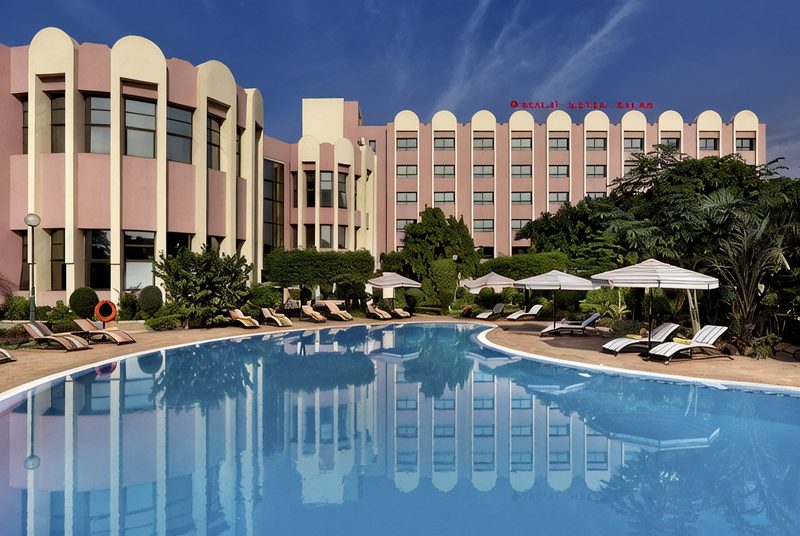
Where to Stay in Bamako in November
Hand-picked hotels across price tiers for November travellers.
Packing Checklist
Bookmark this page — your progress is saved between visits
Need the full list with shopping links?
Climate-specific gear, brand recommendations, and what to leave at home.
View Bamako Packing List →Essential Tips
Insider knowledge and common pitfalls to avoid
Insider Knowledge
The Malian tea ceremony, attaya or thé, is the social infrastructure of the country. Declining it signals you want no connection. Three rounds come from one pot, each sweeter than the last. The first tastes bitter like death. The second tastes mild like life. The third tastes sweet like love. The ritual lasts 45 minutes to an hour. This is intentional. It is not a beverage. It is an invitation to sit and talk. Accept it whenever offered. Market stalls and artisan workshops are prime territory. One tea session teaches you more about Bamako than a week of sightseeing.
Learn four Bambara phrases before arrival. Your experience in Bamako transforms overnight. 'I ni ce' means hello. 'I ni tile' means good afternoon. 'A ni sé' means thank you. 'Tôôrô t'é' means no problem. Bamako residents respond to fumbling Bambara with warmth. Effort trumps pronunciation. French handles all practical transactions. Bambara handles the social ones.
Bamako's sotrama minibuses cost next to nothing. Routes stay invisible to outsiders. Drivers stop only when passengers shout. For your first days, hire taxis. Negotiate fixed fares before entering. Never use the meter. It either does not exist or does not work. Once oriented, sotramas along Pont des Martyrs and Route de Koulikoro become manageable. Motorbike taxis move faster through traffic. The riding style is aggressive. Helmets are rare.
November evenings in Bamako cool to 17°C (64°F). This surprises visitors. They pack only for daytime heat. Riverside areas near Badalabougou cool noticeably. Higher ground around Point G does too. Pack a light long-sleeve layer. Evening dining requires it. Late-night music outings do too. This is useful. Not just precaution.
Avoid These Mistakes
Bamako lacks reliable online information. Accommodation reviews are sparse. Venue hours shift without notice. The freshest intelligence comes from asking people directly. Not from search results. Rigid itineraries built from outdated web listings collapse. Travelers spend two days re-planning. Come with a flexible framework. Let local contacts fill details on the ground.
Avoid outdoor activities between noon and 3 PM. Temperatures hit 35°C (95°F). Overhead sun beats down. The UV index reaches 9. Even locals retreat indoors. First-time visitors who push through midday heat suffer. They end up dehydrated, sunburned, and exhausted by Day 2. Follow the local rhythm instead. Early mornings suit active exploration. Midday demands rest. Late afternoon and evening suit markets and social life.
Travel beyond Bamako is not straightforward. Mali's northern and central regions remain unstable. Road travel outside the capital corridor requires current local intelligence. A map is not enough. The route to Ségou is generally manageable. Mopti and points north are substantially less so. Check with your embassy. Consult locals you trust. Do not freelance into areas with travel advisories. The risks are real. The consequences of miscalculation are severe.
Ready to plan your trip to Bamako?
Now that you've got the research covered, here's where to go next.
Book Experiences in Bamako
Top-rated things to do in Bamako this November

Explore More Activities in Bamako
Didn't see anything interesting yet?
Browse Viator's full catalog of tours, day trips, food experiences, and private guides in Bamako.
See All Bamako Tours on Viator