Things to Do in Bamako in July
July weather, activities, events & insider tips
Low Season · Budget Friendly
July Weather in Bamako
Long-run averages for July
88°F (31°C)
High Temp
71°F (22°C)
Low Temp
9.0 inches (229 mm)
Rainfall
81%
Humidity
11
Sunny-Day UV
⚠ July brings peak malaria transmission to the Bamako district. Anopheles mosquito populations explode with standing water from daily rains. Antimalarial prophylaxis, a treated bed net, and DEET-based repellent are essential. Not optional. Pack them. The risk is real.
⚠ Flash flooding hits low-lying neighborhoods and secondary roads after heavy storms. The drainage system in Bamako cannot handle July rainfall volumes. Streets turn from dry to thigh-deep water within thirty minutes during major downpours. Avoid low-ground areas during active storms. Never wade through floodwater. Do not attempt to drive through it either.
⚠ Waterborne illness risk spikes during rainy season. Drink only bottled or purified water. Avoid ice of uncertain origin. Be cautious with raw vegetables washed in tap water. Cholera outbreaks have historically tracked with July-September rains in the broader Bamako region. Take this seriously.
Is July Right for You?
Weigh the advantages and considerations before booking
Advantages
- + July is the coolest month in Bamako. Highs hit 31°C (88°F), a reprieve from April's brutal 39°C (102°F). Locals call hivernage a relief. Walk the Niger banks near Pont des Martyrs at midday. The air will not cook you.
- + The Sahel transforms. Brown, cracked earth from November through May turns violent green in July. Hills around Point G, the escarpment above the city's northern edge, become lush. Dry season photos cannot prepare you. Baobabs toward Koulikoro finally look tropical, not Martian.
- + You will have Bamako largely to yourself. Travellers cluster in cooler months, November through February. In July, Musee National du Mali on Koulouba hillside stays quiet. This West African collection of Dogon sculpture and Bamana textiles shines. Curators walk you through personally. Show interest. They will notice.
- + Accommodation rates drop during hivernage. Guesthouses in Badalabougou and ACI 2000 district fill during festival season. Suddenly they have vacancies. You gain bargaining power dry-season visitors never see.
Considerations
- − July sits near peak malaria transmission in Bamako district. Standing water from afternoon downpours breeds Anopheles mosquitoes at scale. Humid nights keep them active past midnight. Prophylaxis is essential. Sleep under a treated net. Do not trust what accommodation provides.
- − Bamako's drainage cannot handle 229 mm (9.0 inches) monthly rainfall gracefully. Streets in lower Baco-Djicoroni and Magnambougou flood knee-deep within an hour. Route de Koulikoro, the main artery east, becomes impassable after major storms. Build flexibility into road transport plans.
- − Mali's security situation remains the honest elephant. Bamako stays more stable than north and centre. The political landscape in 2027 shifts under military governance. Several Western governments advise against all Mali travel. Check your government's advisory before booking. Register with your embassy if you go. This is not dismissal. This is clear-eyed planning.
Best Activities in July
Top things to do during your visit
Niger River Pirogue Excursions
July transforms the Niger. The sluggish, sandbar-studded channel becomes a proper river. Water rises week to week. Colour shifts from brown-grey to darker, faster currents carrying red laterite soil. Hire a pirogue, the long wooden canoe of West African river transport for centuries. Drift past fishing camps below Pont Fahd. Bozo fishermen mend nets stretching 15 metres (49 feet). The July river smells distinct. Earthy. Vegetal. Nothing like dry-season dust. Mornings before 11 AM work best. Water stays calmer. Light catches egrets and cattle wading shallows. Hippopotamus pods appear south of the city. Thrilling from a low wooden boat.
Booking Tip: Arrange through your guesthouse. Or find operators at the riverbank near Pont des Martyrs. They gather mornings. Agree on duration and route before departure. Two to three hours hits the sweet spot. Life jackets are not standard. Bring your own inflatable if it matters.
Selingue Lake and Dam Getaway
About 140 km (87 miles) south, Selingue reservoir offers Bamako's closest weekend escape with swimmable water. In July the lake fills fast from rains. Surrounding savanna turns green. Migrant birds intensify along shore. The drive takes roughly three hours. Road conditions in July mean depending on last night's storm damage. Air feels fresher than the city. Cooler by a couple of degrees. Dawn brings wall of birdsong, not motorcycle horns and call-to-prayer speakers. One of few multi-day excursions from the capital without elevated security concerns.
Booking Tip: This works best overnight. Book transport and accommodation one week ahead. Options stay limited. Weekends fill when Bamako residents head south. Licensed operators arrange full packages including transport and boat access. Check the booking section below for current Selingue tour availability.
Bamako Live Music Circuit
Bamako is the most important music city in West Africa. Full stop. The lineage runs from griot tradition through the Rail Band of the Buffet Hotel de la Gare to global careers of artists who made Bamako's sound famous worldwide. July is deep rainy season. Outdoor concert venues that animate dry months are largely shuttered. Indoor clubs and hotel bars that form the backbone of the local scene run year-round. The neighborhood of Lafiabougou and the strip along Route de Sotuba host small venues where a kora player or ngoni ensemble might perform to forty people on any given Thursday night. The sound is physical in these rooms. The balafon resonates in your sternum. Call-and-response between singer and crowd generates heat that has nothing to do with weather outside.
Booking Tip: No advance booking needed for most club nights. Ask your hotel staff which venues have live music that week. Schedules are informal and word-of-mouth driven rather than posted online. Cover charges where they exist are modest. Bring earplugs if you plan to stand near the speakers. Taxis home after midnight are readily available. Agree on price before getting in.
Musee National du Mali and Koulouba Hill Cultural Walk
The Musee National sits on lower slopes of Koulouba hill, the ridge that defines Bamako's northern skyline and houses the presidential palace at its summit. The museum collection spans Dogon masks that are unsettling in their abstract power, Bamana antelope headdresses carved from single pieces of wood, Tuareg silver jewelry from the northern desert, and archaeological finds from Djenne-Djenno that date human settlement on the Niger's inland delta to 250 BC. In July, the galleries are cool compared to saturated air outside. The quiet is a welcome counterpoint to Bamako's relentless street noise. The walk up toward the Koulouba plateau afterward, maybe 2 km (1.2 miles) along the paved road, gives you a panoramic view of the city spread across both banks of the Niger. July's vegetation softens what is normally a dusty sprawl. Time this for morning. Clouds build into towering cumulonimbus columns that deliver afternoon storms.
Booking Tip: The museum is open most days and does not require advance booking. A local guide who can contextualize the ethnographic collections makes the visit significantly richer, if you are unfamiliar with Mande, Dogon, or Fulani artistic traditions. See the booking section for guided cultural tour options in Bamako.
Grand Marche and Artisan Quarter Immersion
Bamako's central market district, rebuilt and large around the area near the old Marche Rose, is the sensory core of the city. July's humidity intensifies everything: the smell of shea butter and dried fish, the sharp tang of dye pits where bazin fabric is colored indigo, the woodsmoke from charcoal vendors that drifts between stalls. The artisan quarter along streets south of the market concentrates leatherworkers, goldsmiths, and tailors who produce bogolan mudcloth, the cotton fabric painted with fermented mud that is Mali's most recognizable textile export. Watching a bogolan artisan work is mesmerizing. Geometric patterns are applied freehand with a bamboo stick. The cloth spreads on the ground in filtered light of a corrugated-iron workshop. July's rains mean you will duck between covered sections and occasionally wait out a downpour under an awning with a cup of Malian tea. This impossibly sweet three-round green tea ritual punctuates every social interaction in this city.
Booking Tip: Go in the morning when stallholders are fresh and willing to talk. Bring a small daypack rather than anything dangling. Keep valuables in front pockets. Be prepared to negotiate on everything. A local guide is not strictly necessary but opens doors to workshop visits that casual browsers miss. Current guided market tour options appear in the booking section below.
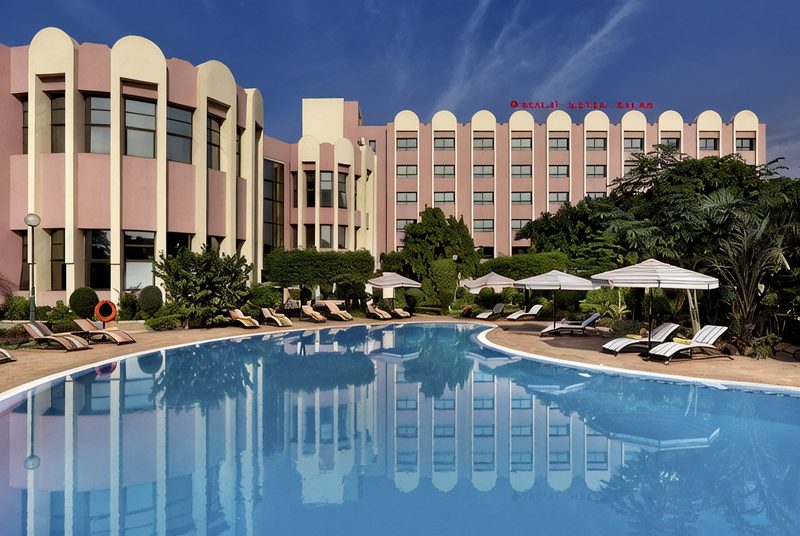
Where to Stay in Bamako in July
Hand-picked hotels across price tiers for July travellers.
Packing Checklist
Bookmark this page — your progress is saved between visits
Need the full list with shopping links?
Climate-specific gear, brand recommendations, and what to leave at home.
View Bamako Packing List →Essential Tips
Insider knowledge and common pitfalls to avoid
Insider Knowledge
The three-round tea ceremony, called ataya, is the social glue of Bamako life. July's enforced indoor hours during afternoon storms make it even more central. The first glass is strong and bitter. The second is sweeter. The third is light and frothy. Refusing tea is not rude exactly. Accepting it opens every conversation. If a shopkeeper, taxi driver, or random stranger invites you to sit for tea, that is the real Bamako experience that no tour replicates. Budget your afternoon around it.
July is mango season's tail end. The rainy season fruits are arriving: watermelon, papaya, and the small tart baobab fruit whose powder locals mix into a thick white drink called jus de pain de singe, monkey bread juice. The women selling fruit from enamel basins balanced on their heads along the Route de Sotuba in the early morning have the freshest selection. Point and indicate quantity with your fingers if your Bambara is limited. The taste of cold baobab juice in July's humidity is one of those specific sensory memories that defines a trip.
Bamako's radio stations are a free and constantly running guide to what is happening musically. Almost every taxi and shop has a radio playing. The stations broadcast live concert announcements, new releases from local artists, and call-in shows in Bambara that give you a feel for the city's conversational rhythm even if you cannot follow every word. Ask your driver to leave it on. Do not let them switch to something they think a foreigner wants to hear.
The street food economy shifts in July. The brochette sellers, the charcoal-grilled meat skewers that are Bamako's default evening street food, move under covered shelters or build temporary tarps. The best ones attract regulars who know exactly which vendor chars the edges of the beef just right without drying it out. Follow the locals to the stalls near the Dibida roundabout area in the evening. The toh vendors, serving the millet porridge that is the Malian staple, pair it with tigadeguena, a thick groundnut sauce that coats the back of your throat with roasted peanut richness. This is the meal that Bamako runs on.
Avoid These Mistakes
Do not assume July's lower temperatures mean comfortable outdoor touring all day. The 31°C (88°F) high does not tell the full story. 81% humidity makes the effective heat feel considerably worse. The sun between storms is intense at this latitude. Travellers who pack a dry-season sightseeing schedule into a July day end up exhausted and dehydrated by 2 PM. Plan active outings for morning. Accept that afternoons are for shelter and tea. Save the next round of exploring for after the rain clears around sunset.
Do not underestimate the roads. Bamako's paved main arteries hold up in the rain. Secondary streets and anything unpaved turn into red mud rivers during and after a downpour. Travellers who hire a vehicle for a day trip toward Siby or Selingue without checking road conditions that morning end up stuck. Always ask locally about the state of the road before committing. Build extra time into every journey outside the city centre. What takes ninety minutes in dry season might take three hours in July.
Do not skip malaria prevention because the trip is short. Transmission peaks in July and August in the Bamako district. Even a four-day visit carries real risk without prophylaxis and disciplined mosquito avoidance at dusk and overnight. The cost of antimalarials and a treated net is trivial compared to the cost of falciparum malaria, which is the predominant strain here and can become dangerous fast. This is not theoretical. It is the single most important health preparation for a July visit.
Ready to plan your trip to Bamako?
Now that you've got the research covered, here's where to go next.
Book Experiences in Bamako
Top-rated things to do in Bamako this July

Explore More Activities in Bamako
Didn't see anything interesting yet?
Browse Viator's full catalog of tours, day trips, food experiences, and private guides in Bamako.
See All Bamako Tours on Viator