Things to Do in Bamako in June
June weather, activities, events & insider tips
Low Season · Budget Friendly
June Weather in Bamako
Long-run averages for June
94°F (34°C)
High Temp
73°F (23°C)
Low Temp
5.1 inches (130 mm)
Rainfall
62%
Humidity
11
Sunny-Day UV
⚠ June marks the onset of malaria season in Bamako. The rains create standing water in gutters, construction sites, and empty lots across the city, and Anopheles mosquitoes breed rapidly. Prophylactic antimalarial medication is essential, not optional. Use repellent from dusk onward and sleep under a treated mosquito net even if your room has air conditioning.
⚠ Afternoon thunderstorms in June can produce flash flooding in low-lying parts of Bamako, in Communes V and VI near the riverbanks and in informal settlements with no drainage. Avoid walking through floodwater: it conceals open drains, debris, and carries waterborne pathogens. If caught in a downpour, shelter in a shop or covered area until the water recedes, which typically takes one to two hours.
⚠ Heat exhaustion is a real risk for travellers unaccustomed to sustained 34°C (94°F) temperatures combined with 62% humidity. The heat index makes it feel considerably hotter than the thermometer reads. Hydrate aggressively, stay indoors during the midday peak from 11 AM to 3 PM, and recognize the early signs: headache, nausea, and dizziness mean you need shade, water, and rest immediately.
Is June Right for You?
Weigh the advantages and considerations before booking
Advantages
- + June brings the rains after months of searing dry heat. Temperatures drop from April's brutal 39°C (102°F) to a more manageable 34°C (94°F). The first storms shatter the dust haze that smothers Bamako from February onward. Within a week, the laterite hillsides around Point G turn green. The city exhales.
- + This is Bamako's lowest tourist season. In a city that already draws few Western visitors, you will likely be the only foreigner at the Musee National du Mali on any given afternoon. Accommodation rates fall. The few guesthouses and hotels that cater to international visitors grow flexible on pricing and room upgrades. No negotiation required.
- + Tabaski, the West African name for Eid al-Adha, is expected in early June 2027. It is the single most important celebration in Malian life. Time it right, and you will see Bamako at its most generous and communal. Families in new boubous and bazin walk between households. Grilled mutton drifts from every compound. The city opens its doors. Visitors nearby often receive the same hospitality.
- + June evenings cool to around 23°C (73°F) once the afternoon heat breaks. This is when Bamako's live music scene fully wakes up. The city that produced Salif Keita, Amadou and Mariam, and Toumani Diabate still treats live performance as a nightly event, not a weekend novelty. Clubs and open-air venues along the Route de Koulikoro and in the Badalabougou neighbourhood host bands playing everything from Wassoulou to Mandingue blues. The kora and balafon carry across warm night air. That sound stays with you.
Considerations
- − Mali's security situation remains serious. Do not minimize it. Bamako itself has been calmer than the north and centre of the country. Still, the political environment has been unstable since 2020. Most Western governments advise against travel to Mali or restrict advisories to essential travel only. Overland routes outside Bamako carry genuine risk. The diplomatic presence in the city has thinned. Check your government's current travel advisory before booking anything. Travel insurance coverage for Mali is limited. Many providers exclude the country entirely.
- − June rains are not yet August's full monsoon deluge. When they arrive, though, they arrive hard. Afternoon storms can dump 30-40 mm (1.2-1.6 inches) in under an hour. Bamako's drainage infrastructure cannot handle this. Streets in lower-lying neighbourhoods like Missabougou and parts of Commune V flood to ankle or knee depth. Unpaved roads become red mud that taxis refuse to navigate. Plan to be indoors or under solid cover between roughly 3 PM and 6 PM most days.
- − Tourist infrastructure in Bamako is minimal by international standards. No hop-on-hop-off buses. Very few English-speaking guides. No reliable ride-hailing apps. The concept of a packaged city tour barely exists. Navigation depends on landmarks and negotiated taxi fares, not meters or maps. This is not a complaint. It is a reality check. If you need tourist-grade convenience, Bamako will test your patience. If you travel well with ambiguity and a few words of Bambara, it rewards you enormously.
Best Activities in June
Top things to do during your visit
Niger River Pirogue Excursions
The Niger River bisects Bamako. In June, after the first rains feed its tributaries, the water level starts rising from its dry-season low. Hire a pirogue, the long wooden canoe that fishermen use daily, from the riverbank near the Pont des Martyrs or downstream near the Pont Roi Fahd. This is Bamako from its oldest angle: the clay-coloured skyline, fishermen casting nets in brown water, the smell of river mud and woodsmoke from cooking fires on sandbars. Early morning is best. Go before 9 AM, when the air is still cool enough that the river carries faint mist and the light is soft gold, not the flat white glare of midday. Afternoon trips suffer from heat and humidity. Afternoon storms can turn the river choppy without warning. Negotiate directly with boatmen at the waterfront or arrange through your accommodation. Bring a hat, water, and sunscreen. Expect no shade.
Booking Tip: Arrange through your guesthouse or hotel. They can connect you with experienced boatmen who know the safest stretches. Book the morning before to secure an early departure. See current options in the booking section below for organized excursions that include river time.
Musee National du Mali and Botanical Gardens
The National Museum sits on a hillside in the Commune III district. Its collection of Dogon masks, Bamana mud-cloth textiles, and Djenne terracotta figures is the single best introduction to Malian material culture anywhere in the country. The building, designed to echo Sudanese mud-brick architecture with thick walls and deep shade, stays noticeably cooler than the street outside. In June's 34°C (94°F) afternoons, this makes it a genuine refuge. The surrounding botanical garden, though modest, is one of the few green spaces in central Bamako where you can sit on a bench under mango trees and hear birdsong over traffic. June's early rains wake the garden after the dry season. Kapok trees begin leafing out. Budget at least two hours for the museum and another hour for the grounds. Mornings before 11 AM let you see the collection in natural light through the clerestory windows before the midday heat drives you to shade.
Booking Tip: No advance booking needed for the museum itself. Hours stay relatively consistent. If you want a guided walkthrough with context on the Dogon and Bamana collections, arrange through your accommodation at least a day ahead. English-speaking guides are scarce. They tend to be booked through personal networks, not formal agencies.
Live Music Venues and Nightlife Circuit
Bamako earns its reputation as one of West Africa's great music capitals. Any Thursday through Saturday night, live kora, balafon, ngoni, and full electric bands play across Badalabougou, Hamdallaye, and the Route de Koulikoro. The sound hits you immediately. A kora's cascading arpeggios weave through bass and drums that blend Cuban son with Mande tradition, loud enough to thrum in your chest. June nights work best. Once evening storms pass and temperatures drop to the low 20s Celsius (low 70s Fahrenheit), open-air shows come alive. The wet laterite underfoot. Charcoal smoke from brochette grills. Cold Castel beer sweating in your hand. A vocalist tearing into a Wassoulou anthem. This is Bamako stripped bare. Shows rarely start before 10 PM. Midnight brings the peak.
Booking Tip: No centralized listing exists for Bamako live music. Ask hotel staff or any taxi driver about tonight's venues. Schedules spread by word of mouth and shift weekly. Cover charges stay modest. Arrive by 9:30 PM for seating. Standing room vanishes fast. See below for organized nightlife tours with transport between venues.
Grand Marche and Artisan District Walking
The rebuilt Grand Marche and surrounding Commune III streets form Bamako's commercial core. Walking here assaults every sense. Shea butter and smoked fish on the nose. Tailors' machines clattering onto pavements. Wax-print fabrics in electric greens and indigos stacked to the ceiling. Bambara bargaining humming everywhere. June humidity intensifies the spice section. Heat pulls scent from dried ginger, soumbala fermented locust beans, and ground peanuts. The dry season cannot match this. Bogolan artisans nearby dye cotton with fermented river mud and leaf teas. Watching raw cloth become finished geometric pattern consumes most of an afternoon. Go before 10 AM. Beat the worst heat. Wear shoes you can muddy. June rains soften the market's unpaved edges.
Booking Tip: Walk with a Bambara-speaking local guide. Most vendors speak limited French with tourists. Almost no English. Your accommodation arranges this with a day's notice. See below for guided cultural walks including market stops.
Selingue Lake Day Trip
Selingue sits 140 km (87 miles) south of Bamako, behind the Sankarani River dam. This is the region's nearest water escape. The lake stretches large enough to lose its far shore in haze. June savanna shifts from dry brown to vivid green as rains take hold. Swim in designated areas. Fish for capitaine (Nile perch), a local tradition. Shoreline villages reveal rural Malian life that Bamako's sprawl hides completely. The drive passes mango orchards and cotton fields. Red laterite roads stay passable in June but challenge drivers after heavy rain. The air smells of wet earth and woodsmoke. The silence after Bamako's traffic shocks you. Plan a full day. Leave by 7 AM. Return after dark.
Booking Tip: This trip needs advance vehicle and driver arrangements. No reliable public transport reaches Selingue on a day-trip schedule. Book through your accommodation two days ahead. Confirm your driver knows recent road conditions. See below for organized Selingue excursions with transport included.
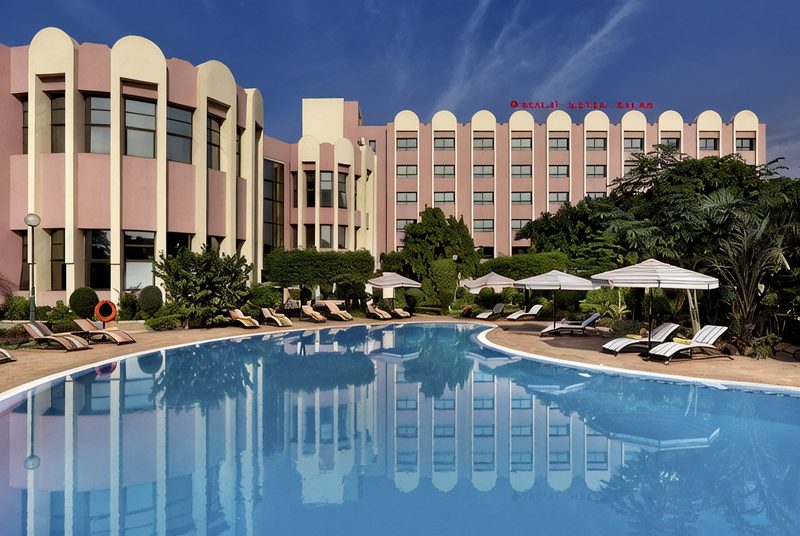
Where to Stay in Bamako in June
Hand-picked hotels across price tiers for June travellers.
Public Holidays in June
Dates that affect opening hours, transport and crowds
Ashura (Roughly Date)
Observed nationwide as a public holiday.
Ashura (Roughly Date)
Observed nationwide as a public holiday.
Packing Checklist
Bookmark this page — your progress is saved between visits
Need the full list with shopping links?
Climate-specific gear, brand recommendations, and what to leave at home.
View Bamako Packing List →Essential Tips
Insider knowledge and common pitfalls to avoid
Insider Knowledge
Bamako runs on Bambara, not French, at street level. Learn five phrases. 'I ni ce' (hello). 'I ni tile' (good afternoon). 'A ka di' (it's good). 'I ka kene wa?' (how are you?). 'Aw ni baara' (thank you for your work). This changes every interaction. Vendors warm up. Taxi fares drop. People stop seeing you as a walking wallet. French works in hotels, banks, and government offices. The market, the music venues, and the neighbourhoods speak Bambara. The effort signals respect.
The best food in Bamako is not in restaurants. It is in family compound kitchens and at streetside women who set up each evening with a charcoal brazier, a pot of tigadegue (peanut sauce), and a mound of white rice. The tigadegue slow-cooks with ground peanuts, tomato, and smoked fish until it thickens into something that coats your tongue with smoky, nutty richness. This is the national comfort food. Point at the pot. Hold up one finger. Sit on the bench. You will eat better than any restaurant in the city for a fraction of the cost.
Fridays are effectively a half-day in Bamako. The city empties for Jumu'ah prayers around midday. Many shops, markets, and offices close from noon until 3 PM or later. Plan museum visits, river trips, and market walks for other days. Or go early Friday morning and finish by 11 AM. After prayers, late afternoon becomes social time. Families promenade along the Niger. Tea brews on every corner. The pace slows. The city feels different from weekday chaos.
Do not photograph people without asking. Do not photograph military or police installations under any circumstances. Bamako has a strong norm around consent for photography. Pointing a camera at someone without greeting them first and requesting permission is considered disrespectful. At the market, at music venues, in the street: greet first, ask second, shoot third. Most people will say yes and pose proudly. Some will say no. That is the end of it. Photographing security infrastructure can lead to detention and confiscation of your device.
Avoid These Mistakes
Assuming Bamako operates on a fixed schedule. Opening hours for shops, museums, and even restaurants are approximate. They shift during rainy season and around holidays like Tabaski. The Grand Marche might open at 8 AM or 9:30 AM depending on when vendors feel the morning cool has lasted long enough. Tight itineraries will exhaust you. Build in slack. Expect to wait. Treat delays as part of the texture, not an obstacle.
Drinking tap water or eating raw salad at restaurants. Waterborne illness is the fastest way to lose days of your trip. Stick to sealed water sachets. Eat cooked food served hot. Eat fruit you peel yourself. Street-side rice and sauce is safe because it has boiled for hours. Hotel buffet salad under a lukewarm heat lamp is the real risk.
Travelling overland outside Bamako without current security information. The road to Mopti, the route to Segou, even the highway toward Sikasso all pass through areas where the security situation can change rapidly. Bamako itself is comparatively stable. 'Comparatively' is doing heavy lifting in that sentence. Do not rent a car and drive into the countryside without consulting your embassy, your accommodation, and ideally a local fixer who knows which routes are currently passable and safe.
Ready to plan your trip to Bamako?
Now that you've got the research covered, here's where to go next.
Book Experiences in Bamako
Top-rated things to do in Bamako this June

Explore More Activities in Bamako
Didn't see anything interesting yet?
Browse Viator's full catalog of tours, day trips, food experiences, and private guides in Bamako.
See All Bamako Tours on Viator