Things to Do in Bamako in October
October weather, activities, events & insider tips
Low Season · Budget Friendly
October Weather in Bamako
Long-run averages for October
94°F (34°C)
High Temp
69°F (21°C)
Low Temp
2.1 inches (53 mm)
Rainfall
66%
Humidity
11
Sunny-Day UV
⚠ October marks the tail end of malaria season. Months of standing water sustain mosquito populations. Warm, humid evenings bring peak biting activity. Antimalarial medication, DEET repellent, and sleeping under a treated net are mandatory. Not optional. Baseline requirements.
⚠ Flash flooding threatens Bamako's low-lying neighborhoods, Banconi, Lafiabougou, and stretches along the Woyowayanko drainage channel. Heavy downpours raise water levels within minutes. Roads passable 20 minutes earlier become impassable streams of muddy runoff. Avoid these areas during and immediately after rainfall.
⚠ October's pairing of 34°C (94°F) heat with 66% humidity pushes the heat index into dangerous territory. Heat exhaustion threatens during sustained outdoor activity. Drink water constantly. Seek shade at midday. Watch for early warning signs: dizziness, nausea, and stopped sweating. These demand immediate cessation of activity and active cooling.
Is October Right for You?
Weigh the advantages and considerations before booking
Advantages
- + The Niger River hits its annual peak in October. Months of rain swell it wide through Bamako, turning the city's three bridges into dramatic crossings. Pirogue rides along the riverbanks reveal flocks of cattle egrets and herons absent during dry months. The light off the water at dusk carries a copper-amber quality that December's harmattan haze erases.
- + Bamako's landscape peaks green in October. The Manding Plateau hills, bone-dry and brown from November through April, now wear dense grass and scrubby forest. Views from Point G hill feel almost tropical. Photographers, take note. This is your month.
- + Tourist crowds, already thin by West African standards, bottom out in October. You will likely be the only non-Malian visitor at the Musée National du Mali on any given afternoon. Curators and guards linger. They talk. They offer context about Dogon masks and Bamana boliw that no printed placard provides.
- + Bamako's live music season stirs after the rainy lull. Venues in Hippodrome and Badalabougou start booking acts again. The city's legendary kora and balafon players return from summer engagements abroad. October catches them before peak-season pricing hits. The rooms remain intimate enough to feel the djembe vibration through the floor.
Considerations
- − The heat-humidity combination punishes. At 34°C (94°F) and 66% humidity, midday outdoors feels like walking into a damp oven. The air sits heavy with moisture. Clothes stick within minutes. Even Bamakois retreat indoors between noon and three. Air conditioning outside higher-end accommodations proves unreliable. Your heat tolerance decides this trip.
- − Residual rains arrive as short, forceful afternoon downpours. Unpaved roads in neighborhoods like Lafiabougou and Banconi turn ankle-deep muddy within minutes. Paved routes recover fast. Side streets and market areas become difficult on foot. Taxi availability drops during storms.
- − Mali's security situation demands honest reckoning. Bamako itself has stayed relatively stable. The country's northern and central regions remain under active security advisories from most Western governments. Overland travel outside the capital corridor requires current intelligence and, realistically, local guidance. Bamako remains visitable. Your trip simply demands more planning and situational awareness than a typical West African city break.
Best Activities in October
Top things to do during your visit
Niger River Pirogue Excursions from Bamako
October offers the one month when the Niger runs both full enough to navigate well beyond the city and calm enough to sit in a pirogue without white knuckles. The river runs wide and brown past the Pont des Martyrs. A morning pirogue ride upstream toward the sandbanks near Koulikoro reveals a different Bamako entirely: women washing indigo-dyed cloth on the rocks, pirogues loaded with smoked capitaine headed for market, white egrets lifting off the mudflats in sheets. The air on the water feels noticeably cooler than in the city. The smell shifts from diesel and charcoal to wet laterite and river vegetation. By November the water drops and channels close. By February the same stretch becomes sandbar. October catches the river at its most generous.
Booking Tip: Arrange pirogue trips through licensed river operators at least a few days ahead. Confirm life jacket availability before boarding. Morning departures before 8 AM deliver the best light and coolest air. See current river tour options in the booking section below.
Musée National du Mali and Cultural Quarter Afternoons
When midday heat drives you indoors, Bamako's national museum on the road to Koulouba hill offers the single best use of those dead hours. The permanent collection spans Dogon carved-door panels taller than most visitors, Bamana chi wara antelope headdresses with centuries of ritual patina, and a textile gallery where aged cotton and bògòlanfini mud cloth hang in the still air. Mango and néré trees shade the grounds. Terracotta-walled buildings stay surprisingly cool even without aggressive air conditioning. The ethnographic depth rivals Dakar's IFAN museum. In October you will likely have entire galleries to yourself. Allow at least two unhurried hours. Visit the open-air sculpture garden before afternoon rain arrives.
Booking Tip: No advance booking needed for general admission. Guided tours with context on the Mande and Dogon collections are available through cultural tour operators and add considerably to the experience. Check the booking section below for current guided options in Bamako.
Sélingué Reservoir and Surrounding Countryside Day Trip
The drive south from Bamako to the Sélingué Dam reservoir takes roughly three hours on mostly paved road. In October the countryside along the route arrests the eye: millet fields stand shoulder-high in bright green, shea trees hang heavy with fruit, and laterite soil between villages glows red-orange against the foliage. The reservoir, created in the 1980s, spreads across flooded savanna that in October attracts migratory wading birds, kingfishers, and occasionally hippos surfacing in the shallows. The air smells of wet grass and woodsmoke from fishing camps along the shore. Swimming is possible in designated areas near the dam. The water temperature runs bathlike. This is one of the few verified bookable excursions from Bamako. The October greenery makes it worth the early start.
Booking Tip: Book at least a week ahead. Vehicle availability runs limited in the off-season. Confirm that your operator provides drinking water and a packed lunch. Food options along the route are sparse. See current Sélingué tour availability in the booking section below.
Bamako Live Music and Griot Performances
Bamako punches above its weight. No West African city produces more internationally recognized musicians per capita, and October is when venues shake off the rainy-season sleep. The Hippodrome and Badalabougou neighborhoods hold small clubs where the kora, that 21-string harp-lute, fills rooms tight enough to watch fingers work the bridge. Weekend evenings bring djembe circles to courtyards and open lots, polyrhythms you feel in your chest before your ears catch up. Griot families, centuries deep in oral history, perform at weddings and naming ceremonies. Grilled brochettes and dabileni, that deep-red hibiscus drink, are inseparable from the music. You cannot separate the smells from the sound.
Booking Tip: Ask locals about performances. Online listings stay incomplete for Bamako. Venues rarely start before 9 PM. They peak around midnight. Check the booking section below for organized cultural experience options.
Market Immersion at Marché de Médina and the Artisan Quarter
Marché de Médina overwhelms at first. Stay with it. The reward comes. Dried shrimp and fermented soumbala, that nutty néré seed condiment, hang thick in the air. Soumbala anchors Malian cooking. Bazin riche fabric, heavy damask cotton starched and beaten to waxy ceremony sheen, fills corridors narrow enough to brush both shoulders. October brings peak bògòlanfini mud cloth stock from Beledougou weavers, fresh inventory after the rains. The Maison des Artisans quarter nearby packs goldsmiths, leatherworkers, and woodcarvers together. Hammers on brass compete with fresh-cut ebony for your attention. Arrive before 9 AM. Heat stays tolerable then. Vendors have time to explain their craft.
Booking Tip: A Bambara-speaking guide changes everything. Chaos becomes revelation. Book licensed cultural operators several days ahead. Find current guided options in the booking section below.
Where to Stay in Bamako in October
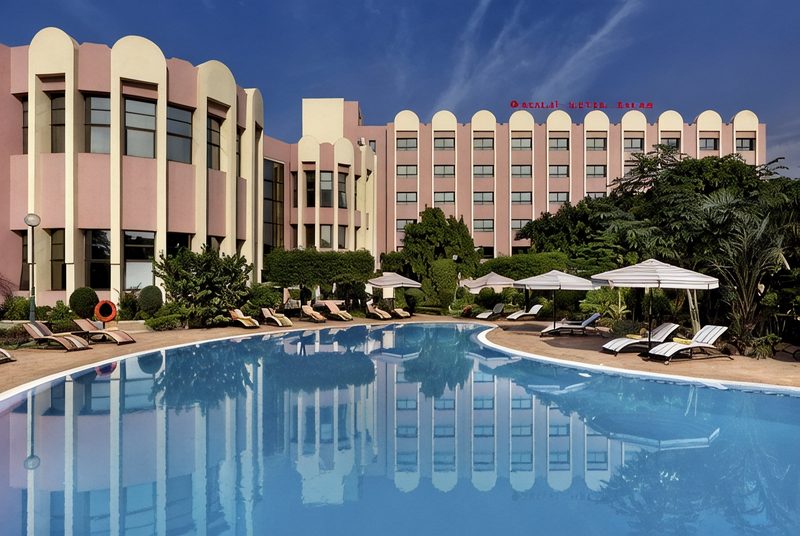
Hand-picked hotels across price tiers for October travellers.
Packing Checklist
Bookmark this page — your progress is saved between visits
Need the full list with shopping links?
Climate-specific gear, brand recommendations, and what to leave at home.
View Bamako Packing List →Essential Tips
Insider knowledge and common pitfalls to avoid
Insider Knowledge
Learn three Bambara phrases before landing: 'I ni ce' (hello), 'I ni tile' (good afternoon), and 'A ni sɔgɔma' (good morning). Bamako runs on greetings. Every taxi negotiation, every market transaction, every direction from a stranger starts with a full greeting exchange. It can last 30 seconds. Skip it and you signal that you do not understand how things work here. People's willingness to help drops noticeably.
The best food in Bamako is not in restaurants. It is at informal stalls and family-run maquis where women serve tô with tigadèguèna, the groundnut sauce from hand-pounded peanuts. It tastes like nothing else. The tô itself, that dense millet porridge, carries a faintly sour, earthy flavor. It takes two or three meals to appreciate. Then you crave it. Look for stalls where Malians eat. Skip the places with French menus aimed at expats.
Bamako's traffic ranks among West Africa's worst, and October's wet roads amplify the chaos. The city relies on just two bridges for most cross-river movement: the Pont des Martyrs and Pont du Roi Fahd. During morning and evening rush, both seize completely. Need to cross the Niger at peak hours? Add a full hour. Base yourself on whichever bank holds your activities. Cross only when necessary.
October's brief, intense rains produce sunsets you will not forget. Atmospheric moisture bends light into deep oranges and purples that linger for nearly 30 minutes after the sun sinks below the Manding hills. Point G hill, the rocky outcrop above the city, offers the best vantage. Post-rain October air clears enough to reveal Bamako spread below. Arrive between 5:30 and 6:00 PM. Bring a headlamp for the descent. The path has no lights.
Avoid These Mistakes
Avoid scheduling outdoor activities between noon and 3 PM. October's heat index, pairing 34°C (94°F) with 66% humidity, poses genuine danger for sustained exertion. Even locals treat these hours as mandatory downtime. Streets empty. Schedule markets, river trips, and walking for early morning or late afternoon. Reserve midday for indoor options: the museum, a long lunch. Rest matters.
Never carry only cards. Bamako runs on cash, specifically CFA francs. Card acceptance barely extends beyond a few high-end spots in ACI 2000. ATMs outside central districts prove unreliable at best. Withdraw sufficient CFA at the airport or a city-center bank ATM to cover several days. Keep small bills for taxis and markets. Large notes create friction when making change.
Do not assume October's reduced rainfall signals the end of the wet season. The 2.1 inches (53 mm) monthly average falls well below September's 6.9 inches (175 mm), yet October storms hit hard and fast. One downpour can deliver its monthly share in under an hour. Intersections flood. Unpaved roads turn impassable for hours. Check the sky. Pack rain gear regardless of clear morning skies.
Ready to plan your trip to Bamako?
Now that you've got the research covered, here's where to go next.
Book Experiences in Bamako
Top-rated things to do in Bamako this October

Explore More Activities in Bamako
Didn't see anything interesting yet?
Browse Viator's full catalog of tours, day trips, food experiences, and private guides in Bamako.
See All Bamako Tours on Viator