Where to Stay in Bamako
Your guide to the best areas and accommodation types
Bamako splits its beds into two camps. ACI 2000 glints with glass towers and security gates, catering to diplomats and NGO staff. The rest of the city spreads mid-range comfort across Hippodrome, Badalabougou, and the market quarter. The Niger River forms the southern edge. In Badalabougou, riverside rooms greet dawn with cool, mineral air. The extra taxi fare pays off.
A solid double runs $65-130 citywide. Luxury in ACI 2000 peaks at $280. Budget bunks near Grand Marché start at $20.
Budget
$20-45 per night for guesthouses and bare-essentials hotels
Mid-Range
$65-130 per night for 3-4 star hotels with reliable air conditioning and backup power
Luxury
$150-280 per night for international-standard properties with 24-hour security
Where to Stay in Bamako
Hand-picked hotels across price tiers for every visitor.
Our Top Picks
The highest-rated hotel in each price range, selected from all neighborhoods.
Top Pick: ACI 2000
Budget
Au Bord de l'Eau
"We had a very good stay and the service was impeccable and the staff were very a…"
Sunbathing area
Outdoor swimming pool
Private parking
Airport pick-up
ACI 2000
Check prices on Trip.com →
Top Pick: ACI 2000
Mid Range
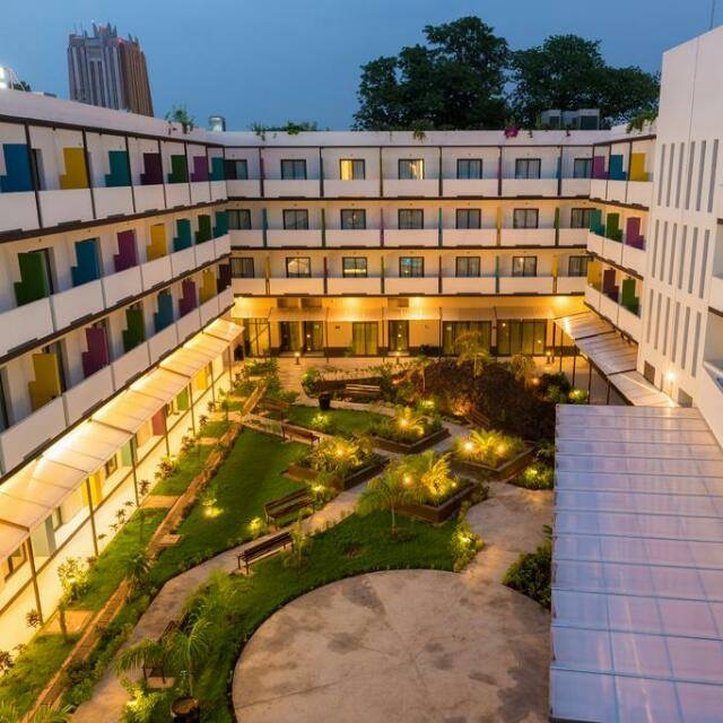
ONOMO Hotel Bamako
"It's safe. Becoze it's more like "prison " Food is nice, for the l"
Outdoor swimming pool
Private parking
Bar
Restaurant
ACI 2000
Check prices on Trip.com →
Top Pick: ACI 2000
"Best hotel in Bamako, very clean and safe. Excellent Breakfast"
Outdoor swimming pool
Sauna
Spa
Massage room
ACI 2000
Check prices on Trip.com →
Best Areas to Stay
Each neighborhood has its own character. Find the one that matches your travel style.
Hotel recommendations verified
ACI 2000
Luxury
ACI 2000 rises on reclaimed land west of the old center. Broad boulevards link embassies, bank offices, and glass hotel towers. Streets hush after 20:00. Generator hum replaces daytime noise. Diesel and harmattan dust scent the evening air.
- ✓ Bamako's highest concentration of secure, generator-backed hotels
- ✓ Embassy row and international organizations within walking distance
- ✓ Best road access to Modibo Keïta International Airport
- ✓ Consistent international service standards across all major properties
- ✗ Minimal street life after 20:00; the neighborhood empties as offices close
- ✗ Taxi rides to Hippodrome restaurants or the Grand Marché add time and cost to every evening
Recommended places to stay in ACI 2000
Budget
Au Bord de l'Eau
"We had a very good stay and the service was impeccable and the staff were very a…"
Sunbathing area
Outdoor swimming pool
Private parking
Airport pick-up
✓ Verified
Check prices on Trip.com →
Mid Range
ONOMO Hotel Bamako
"It's safe. Becoze it's more like "prison " Food is nice, for the l"
Outdoor swimming pool
Private parking
Bar
Restaurant
✓ Verified
Check prices on Trip.com →
"Best hotel in Bamako, very clean and safe. Excellent Breakfast"
Outdoor swimming pool
Sauna
Spa
Massage room
✓ Verified
Check prices on Trip.com →
Mid Range
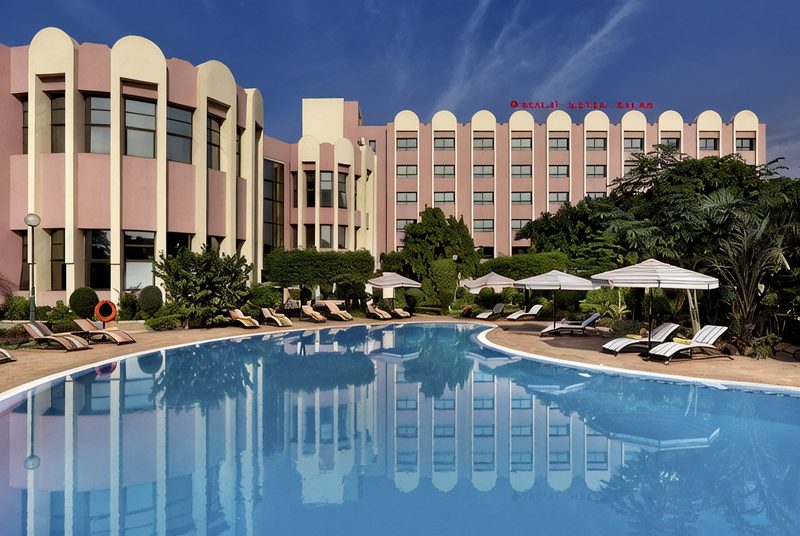
Azalaï Hôtel Bamako
"It is more suitable for business trips. The overall feeling is quite good and I…"
Outdoor swimming pool
Sauna
Spa
Massage room
✓ Verified
Check prices on Trip.com →
Luxury
Laico l Amitie Bamako
✓ Verified
Check prices on Trip.com →
Hippodrome
Mid-range
Named for the racecourse that once occupied this plateau north of the center, Hippodrome has become Bamako's most rewarding quarter for food and evening activity. By dusk the smell of charcoal and sizzling brochettes drifts from corner grills, and the low thrum of a kora or balafon carries from restaurant terraces. Lebanese mezze, French brasserie cooking, and Malian mafé all sit within the same few walkable blocks.
- ✓ Best restaurant density in Bamako by a considerable margin
- ✓ Walkable evening circuit between venues without needing a taxi
- ✓ Plentiful taxis available until midnight
- ✓ Genuine mix of local and international clientele keeps the atmosphere from feeling staged
- ✗ Weekend bar noise carries past midnight through ground-floor windows
- ✗ Hotel inventory is thinner than in ACI 2000 and books out first during conference season
Recommended places to stay in Hippodrome
✓ Verified
Check prices on Trip.com →
Badalabougou
Mid-range
A quieter residential and institutional stretch along a Niger tributary, anchored by the University of Bamako and several major NGO headquarters. Tall acacia trees shade unpaved lanes, and the air in the early morning smells cool and faintly mineral from the river. Pirogues carrying dried fish and market goods drift past slowly at dusk, visible from the terrace of Hôtel Mandé.
- ✓ Quieter at night than the city center. Noticeably easier to sleep
- ✓ Riverside terrace at Hôtel Mandé is the best evening spot in this part of Bamako
- ✓ Walking distance to the University and major cultural institutions including the Musée National
- ✓ Lower baseline prices than ACI 2000 for comparable comfort
- ✗ Taxis are scarce after 22:00; arrange through your hotel in advance
- ✗ Almost no walking-distance restaurants outside the hotel properties themselves
Recommended places to stay in Badalabougou
mid_range
Hôtel Mandé
Niarela
Mid-range
An established residential quarter between Hippodrome and the river, where embassy staff, long-term NGO contractors, and Malian professionals have settled into gated compound houses. Children play football in the late-afternoon shade while neighborhood teahouses brew attaya in three slow rounds, the sweet smell of green tea and charcoal drifting to the lane outside. Grocery shops carry imported goods alongside local staples.
- ✓ More lived-in character than ACI 2000 without compromising safety
- ✓ Walking distance to Hippodrome restaurants in the evening
- ✓ Supermarkets and pharmacies close by
- ✓ Better air circulation through the tree-shaded residential lanes
- ✗ Street lighting is patchy outside the main arteries; a torch is useful after 21:00
- ✗ No luxury-tier hotel sits directly in the neighborhood. The nearest options require a short taxi
Recommended places to stay in Niarela
mid_range
Hôtel Massalaï
Quinzambougou
Budget
The commercial core of Bamako, compressed between the Grand Marché and the main bush-taxi terminals. The air smells of dried spices, dyed bogolan fabric, and exhaust fumes, and the streets are loud from before sunrise with vendors calling prices, motorcycle taxis weaving past overloaded minibuses, and the metallic percussion of market commerce. The intensity is the attraction for travelers who want to move at the city's own speed.
- ✓ Least expensive central accommodation in Bamako
- ✓ Immediate walking access to the Grand Marché and fabric market
- ✓ Multiple shared-transport departures daily to Ségou, Mopti, and beyond
- ✓ The best Malian street food in the city lines these pavements
- ✗ Vehicle noise and overlapping call-to-prayer broadcasts from several mosques make sleeping past 05:30 difficult
- ✗ Petty theft risk is elevated near the market. Use your hotel safe and carry only what you need for the day
Recommended places to stay in Quinzambougou
Hamdallaye
Budget
A large western district that mixes working-class housing with local commerce, stretching away from the center along an arterial road. The neighborhood feels unhurried: street-side tailors work treadle sewing machines in open doorways, the smell of shea butter and bissap flowers drifts from household courtyards, and the sound of children reciting Quran verses carries from the nearby madrassa at midday.
- ✓ Some of the lowest accommodation rates in Bamako
- ✓ Authentic daily-life character with traditional Malian cooking smells and rhythms
- ✓ Less traffic congestion than the city center
- ✓ Reliable minibus connections running frequently to central Bamako
- ✗ Most major attractions require a 20-30 minute taxi ride from this district
- ✗ Limited French spoken outside the hotels; Bambara is the working language of the neighborhood
Recommended places to stay in Hamdallaye
mid_range
Hôtel Bozo
Find Hotels in Bamako
Compare prices and book your perfect stay
Find the best hotel for your stay on Trip.comPrices via Trip.com. We may earn a commission from bookings.
Accommodation Types
From budget-friendly hostels to luxury hotels, here's what's available.
International Hotels
$150-280 per night
Generator-backed towers in ACI 2000 with 24-hour security, business centers, and service standards calibrated to NGO and diplomatic guests.
Best for: Business travelers, first-time visitors to Bamako, and anyone whose organization requires duty-of-care security standards
Contact the hotel directly and ask about NGO or diplomatic rate agreements. Most ACI 2000 properties maintain negotiated tariffs not published on third-party platforms
Mid-Range Hotels
$65-130 per night
Three-star properties in Hippodrome and Badalabougou with reliable air conditioning, en-suite bathrooms, and on-site restaurants.
Best for: Independent travelers, researchers, and repeat visitors to Bamako comfortable with self-navigation
Email or call the hotel directly; Bamako's mid-range properties often have more accurate availability and better rates through direct contact than through international booking platforms
Guesthouses
$20-45 per night
Family-run compounds in Niarela and near the market with fan-cooled rooms, shared or private bathrooms, and a communal courtyard character.
Best for: Budget travelers, overland explorers, and solo travelers who want to connect with others moving through West Africa
Arrive by early afternoon during the November through January peak. Guesthouses like the Sleeping Camel fill by evening during this window and have limited online booking infrastructure
Serviced Apartments
$800-2000 per month for furnished units
Furnished monthly apartments in Niarela and Badalabougou for long-term NGO and embassy staff who need kitchen facilities and living space.
Best for: Expatriates and researchers on assignments of a month or longer who need to cook, work from home, and settle into a neighborhood rhythm
These apartments surface through notice boards at guesthouses like the Sleeping Camel or through the Alliance Française Bamako community network, not on international booking platforms
Booking Tips
Insider advice to help you find the best accommodation.
ACI 2000 fills during conferences and summits
When a major African Union event, UN meeting, or diplomatic conference is scheduled in Bamako, the ACI 2000 luxury tier sells out weeks in advance. Hippodrome and Badalabougou mid-range hotels absorb the overflow at meaningfully lower prices and with faster taxi access to the evening restaurant scene.
Generator backup matters more than the star rating
Bamako experiences regular load-shedding, sometimes lasting eight hours or more at a stretch. The difference between a room with generator coverage and one without is the difference between a bearable dry-season night and an unlivable one. Confirm it before booking any property outside the luxury tier.
December and January need six weeks of lead time
The harmattan-season comfort window coincides with the diaspora return period. Reliable properties across all price tiers fill quickly from late November onward. Six weeks covers mid-range and above; ACI 2000 luxury during conference season may need longer still.
Neighborhood security shapes the right starting point
ACI 2000 and Hippodrome have the most consistent street lighting, hotel-side security staff, and embassy proximity. First-time visitors to Bamako benefit from starting in one of these two districts and moving to outer residential neighborhoods only after building local contacts and context.
When to Book
Timing matters for both price and availability.
High Season
Reserve six weeks ahead for November through January. The three-week window around Christmas and New Year is the tightest; ACI 2000 luxury and Hippodrome mid-range favorites fill first.
Shoulder Season
October and February offer manageable heat, dry skies, and rates roughly 20-30 percent below the December peak. Two to three weeks of lead time handles most situations comfortably.
Low Season
June through September is the rainy season in Bamako. Heavy afternoon downpours flood some roads briefly. The air smells of wet laterite soil and river mud. Rates drop across all tiers. Rooms are available even at short notice throughout this period.
Two weeks covers almost any period outside the December diaspora peak. For ACI 2000 luxury properties during a conference or summit, no amount of advance booking is excessive. Lock it in early.
Good to Know
Local customs and practical information.
Check-in / Check-out
Standard check-in is 14:00 and check-out by 11:00. All established hotels store luggage for early arrivals without charge. Ask the front desk when you arrive. Easy.
Tipping
Tipping is not formally expected in Bamako but is appreciated. Rounding up a restaurant bill works. Leaving a modest amount for housekeeping after a multi-night stay is appropriate. It is well received across all tiers.
Payment
The West African CFA franc is the local currency. Luxury hotels in Bamako accept major credit cards. Mid-range and budget properties typically operate cash-only. Withdraw at a bank ATM on arrival in ACI 2000 or Hippodrome. Machines in outer neighborhoods are unreliable.
Safety
Mali's security situation outside the capital is serious. Standard practice for arriving travelers is to spend the first nights in ACI 2000 or Hippodrome. Hotel security infrastructure and embassy proximity are most consistent there. Use taxis arranged through your hotel. Do not flag unknown vehicles from the street, after dark.
Frequently Asked Questions
What's the Safest Neighborhood to Stay in as a First-time Visitor to Bamako?
Hamdallaye and ACI 2000 are the most secure and visitor-friendly districts, with good security infrastructure, proximity to embassies, and reliable electricity. Most international hotels like Radisson Blu and Azalaï Hotel Grand are located in these areas. Expect to pay $60-150 per night for mid-range hotels here, compared to $30-60 in downtown Bamako near the Cité Administrative.
How Much Should I Budget per Night for a Decent Hotel in Bamako?
Mid-range hotels with air conditioning, Wi-Fi, and hot water run $50-90 per night in neighborhoods like Badalabougou and Hippodrome. Budget guesthouses in Magnambougou or near Point G start around $25-35, though amenities can be hit-or-miss. International chains (Radisson, Azalaï) typically charge $120-180, justified mainly by consistent power backup and enhanced security.
Do Hotels in Bamako Reliably Have Electricity and Running Water?
Power outages are common across Bamako, during hot season (March-May). Most hotels above $50/night have backup generators. But budget guesthouses may experience 2-4 hour cuts without warning. Running water is generally reliable in established neighborhoods, though pressure can drop during peak evening hours, fill a bucket in the morning if you're in a budget place.
Can I Find Accommodation with a Pool, and Is It Worth It Given the Heat?
Hotels like Radisson Blu, Azalaï Grand, and Onomo Hotel Bamako have pools, and it's worthwhile from November through May when daytime temps hit 35-42°C. Expect to pay at least $80/night for pool access. Some mid-range places advertise pools that are poorly maintained, check recent photos before booking.
How Far in Advance Should I Book a Hotel in Bamako?
Book 2-3 weeks ahead if visiting during cooler months (November-February) when regional conferences and NGO activity peak, good hotels fill up fast. During rainy season (June-September), you can often find same-week availability and negotiate walk-in rates 10-20% below online prices. Avoid arriving unbooked during major holidays like Tabaski when rooms are scarce.
Are There Any Neighborhoods I Should Avoid When Choosing Accommodation?
Lafiabougou and parts of Medina Coura have higher petty crime rates and fewer services catering to international visitors. Downtown areas near the train station can feel chaotic and congested, for solo travelers unfamiliar with the city. Stick to Hamdallaye, ACI 2000, Badalabougou, or Hippodrome for your first visit, you'll have better transport options and evening safety.
What's the Typical Check-in/check-out Situation, and Can I Store Luggage If My Flight Is Late?
Standard check-in is 2pm, check-out noon, though many hotels will store bags for free if you arrive early or depart late. Airport taxis to central hotels cost 10,000-15,000 CFA ($16-25) and take 20-40 minutes depending on traffic. Confirm luggage storage when booking if you have an overnight flight, some smaller guesthouses close reception by 10pm.
Is Breakfast Included at Most Hotels, and What Does It Usually Consist Of?
Many mid-range and upscale hotels include a continental breakfast of baguettes, jam, fruit, coffee, and sometimes eggs or porridge. Budget guesthouses typically don't include meals. But there are street vendors selling café Touba and bean sandwiches for 500-1,000 CFA near most lodgings. If breakfast is included, confirm whether it's continental or full, "continental" often means just bread and instant coffee.
Can I Pay for Hotels in US Dollars or Euros, or Do I Need West African Cfa Francs?
International hotels accept dollars, euros, and credit cards. But exchange rates are often 5-10% worse than paying in CFA. Smaller hotels and guesthouses prefer cash in CFA, withdraw from ATMs at Ecobank or Bank of Africa branches in Hamdallaye or ACI 2000 for better rates. Bring some euros or dollars as backup since ATMs occasionally run out of bills during weekends.
What Amenities Should I Prioritize When Booking, wi-fi, Ac, or Generator Backup?
Generator backup is the single most important amenity given Bamako's erratic power supply, sleeping without AC during a 3am outage in April is miserable. Wi-Fi is hit-or-miss even at good hotels. Expect speeds of 1-5 Mbps, barely enough for email. If you need reliable internet, consider staying near Hamdallaye where fiber connections are more common, or buy a local SIM with data from Orange or Malitel upon arrival.
Ready to plan your trip to Bamako?
Now that you've got the research covered, here's where to go next.